Thousands of women across Nigeria and Somalia are silently battling obstetric fistula, one of the world’s most devastating childbirth injuries, as poverty, insecurity and weak healthcare systems continue to deny many women access to emergency maternal care.
According to a statement issued Friday by Médecins Sans Frontières, women from northern Nigeria to southwestern Somalia are living with chronic pain, incontinence, stigma and social isolation after suffering traumatic childbirth complications linked to prolonged and obstructed labour.
The humanitarian organisation said many of the affected women lost control of their bladder or bowel following difficult childbirths, often after spending days in labour without access to emergency caesarean sections or skilled medical assistance.
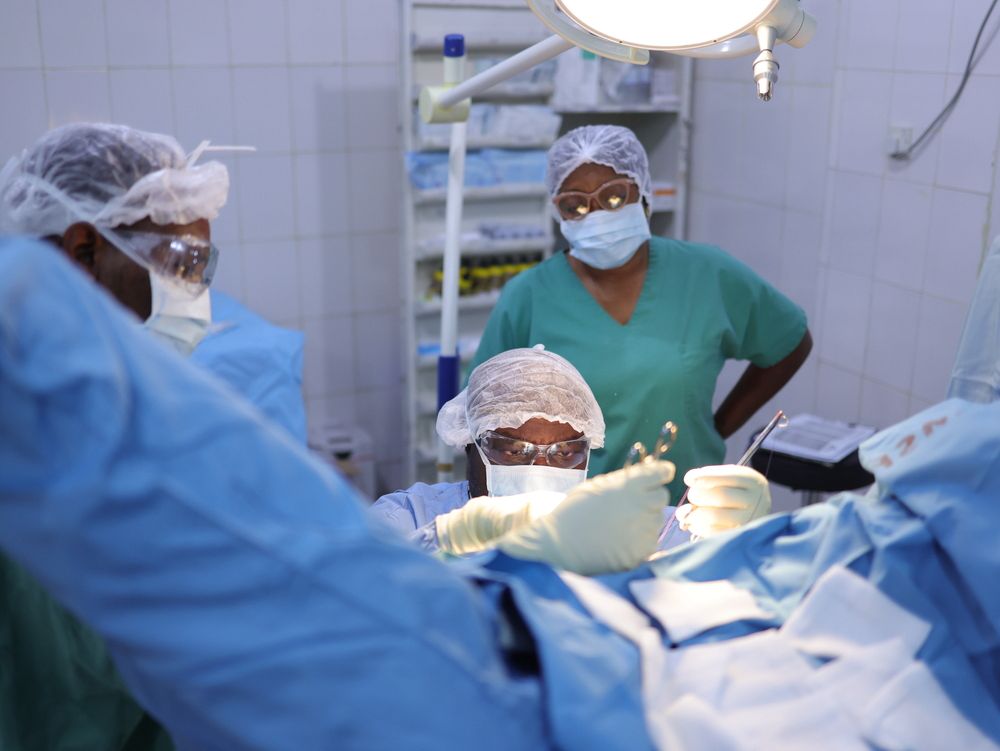
At Jahun General Hospital in northern Nigeria and Bay Regional Hospital in Somalia, medical teams from MSF and local health authorities are providing reconstructive surgeries and rehabilitation services for women whose lives have been devastated by the condition.
Medical experts explained that obstetric fistula occurs when prolonged obstructed labour damages tissues between the birth canal and the bladder or rectum, leaving women leaking urine or stool continuously. In nearly 90 per cent of cases, the baby does not survive.
The condition, experts said, is strongly linked to child marriage, teenage pregnancy, malnutrition, female genital mutilation and the absence of emergency obstetric care.
In fragile and conflict-affected regions of both countries, insecurity, displacement, poor transportation networks and overstretched healthcare systems continue to worsen the crisis, forcing many women to deliver at home or in poorly equipped facilities.
Dr. Raphael Kananga said many patients arrive at hospitals only after irreversible injuries have occurred.
“Most of the women who reach us have already given birth somewhere else or tried to, often at home, and often after several days of labour,” he said.
“By the time they arrive at our hospital, they have already sustained an injury, often with additional infections and complications. Surgical repair is possible, but this should have been prevented from happening in the first place.”
MSF disclosed that the 55-bed fistula ward at Jahun General Hospital has become a major referral centre for women across northern Nigeria. Since the unit was established in 2008, more than 6,000 reconstructive surgeries have been carried out.
The organisation said 295 women were admitted to the facility in 2025, with 224 undergoing surgery. Between January and March 2026, another 64 women were admitted, while 48 had already received surgical treatment.
Care provided at the hospital includes free surgery, physiotherapy, psychological counselling, nutritional support and long-term rehabilitation, with some patients spending up to three months recovering.
One patient identified as Aisha, a young woman from Yobe State, said she arrived at the hospital emotionally devastated after losing her baby during childbirth and suffering severe internal injuries that left her incontinent.
“At first, I thought I would never be cured,” she said. “Then I came here and saw other women with the same condition. I realised I was not alone.”
In Somalia, MSF said the fistula unit at Bay Regional Hospital, opened in 2025 in partnership with Somalia’s Ministry of Health, remains one of the few specialised centres in the country treating the condition.
Since its launch, only 38 women have received treatment at the facility, despite estimates suggesting that thousands more urgently require care nationwide.
Frida Athanassiadis noted that many women endure fistula for years before discovering treatment is available.
“Fistula care is not only about surgery,” she said. “It is about listening, counselling, and helping women rebuild their confidence.”
Healthcare workers warned that the demand for fistula treatment in both countries continues to exceed available capacity.
Jahun General Hospital remains the only facility in Jigawa State capable of carrying out vesicovaginal fistula reconstructive surgery, while Bay Regional Hospital is currently the only specialised centre in Somalia’s Southwest State.
Humanitarian organisations said the persistence of obstetric fistula reflects broader failures in maternal healthcare systems across parts of Africa, where preventable childbirth complications continue to destroy lives and futures.
Medical experts stressed that the condition is entirely preventable through proper antenatal care, skilled birth attendance, timely referrals and emergency caesarean sections before prolonged labour causes permanent tissue damage.
MSF and health officials are now calling for increased investment in maternal and newborn healthcare services, including expanded emergency obstetric care and fistula treatment programmes for affected women.
For survivors like Aisha and Hodan, however, recovery is not only about physical healing, but also reclaiming dignity after years of pain, silence and social exclusion.