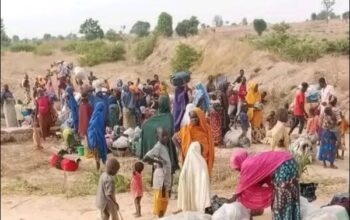
Médecins Sans Frontières (MSF) and the Ministry of Health have reported that one out of every four children under the age of five is malnourished in the Shinkafi and Zurmi areas of Zamfara State. A mass screening conducted in June revealed that 27% of the 97,149 children screened in 21 urban and rural locations suffer from acute malnutrition, with 5% experiencing severe acute malnutrition.
MSF highlighted that these alarming figures exceed the World Health Organization’s (WHO) critical threshold for malnutrition prevalence. The organization is urging health authorities, international organizations, and donors to intensify efforts to address the growing malnutrition crisis in Zamfara State and across Northwest Nigeria, a region not currently included in the United Nations Humanitarian Response Plan.
The screening also found that 22% of children are moderately malnourished. However, critical nutritional supplies, such as ready-to-use therapeutic food (RUTF), are currently unavailable due to UNICEF halting its supplies earlier this year. MSF warned that without immediate care, these children risk progressing to severe acute malnutrition, which threatens their survival and long-term health.
Abdullahi Mohammad, an MSF representative in Nigeria, described the situation as catastrophic, stating, “The response to this overwhelming disaster is grossly insufficient. With malnutrition rates soaring beyond critical levels and no immediate treatment available for moderate acute malnutrition apart from at MSF facilities, we’re effectively letting more children fall into life-threatening conditions.”

MSF operates four inpatient and 17 outpatient facilities in Shinkafi, Zurmi, Gummi, and Talata Mafara in Zamfara State, which is severely affected by malnutrition. From January to July 2024, MSF treated over 7,000 children in these facilities—a 34% increase from the same period in 2023. Admissions in Shinkafi and Zurmi increased by 50%, while in Gummi, admissions in July 2024 were nearly double those of the same month last year.
MSF teams are also witnessing high numbers of children with vaccine-preventable diseases, such as measles, in Zamfara, where they have treated at least 5,700 cases this year. Infectious diseases like measles, malaria, and acute watery diarrhea severely affect the nutritional status of children, making them more susceptible to illness and increasing the risk of death.
Hafsat Lawal, a mother whose child is being treated for malnutrition at an MSF facility, shared her struggles: “When I first brought my son into the hospital, I didn’t know if he would survive. Back at home, because of the insecurity, we don’t have food. The prices of food have more than doubled. If we had money, we would have bought some grains, but we cannot.”
Communities in Zamfara are also facing high levels of violence, and many are afraid to travel to healthcare facilities due to security concerns. According to health authorities, only about 200 out of 700 healthcare centers in the state are currently accessible. Healthcare workers are struggling to reach many of these centers.
MSF emphasized the urgent need for health authorities, international organizations, and donors to scale up their response. Expanding health facilities to treat malnourished children is crucial, and consistent delivery of RUTF by UNICEF must be ensured to prevent more children from succumbing to this crisis.
4o