Nigeria has launched a new investigative tool aimed at improving the handling and prosecution of sexual and gender-based violence (SGBV) cases, in a move to enhance justice delivery for survivors.
The Quick Reference Guide for Investigating Sexual Assault was unveiled on Thursday at a high-level event attended by members of the judiciary, law enforcement agencies, government institutions, civil society organisations, and international development partners. The initiative is designed to strengthen the capacity of frontline responders and promote a coordinated, survivor-centred approach, particularly in conflict-affected areas of the Northeast.
Speaking at the event, Cheikh Toure, Country Representative of the United Nations Office on Drugs and Crime (UNODC), described the guide as a significant step toward addressing persistent gaps in the investigation and prosecution of sexual violence cases.
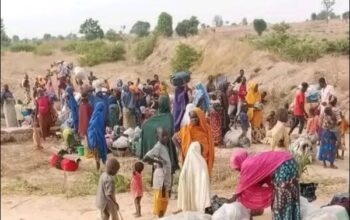
He noted that communities in Borno State, Adamawa State, and Yobe State have faced prolonged conflict and displacement, conditions that heighten vulnerability to sexual violence and underscore the need for effective justice mechanisms.
According to Toure, the guide provides practical, field-oriented direction for investigators and other responders, outlining key procedures from the point of reporting to case file preparation. It also incorporates referral pathways to ensure survivors receive timely access to medical, legal, and psychosocial support services.
He commended the Government of Canada for supporting the initiative, noting that the collaboration reflects a shared commitment to ending impunity and improving access to justice. He added that the guide was developed through consultations with Nigerian institutions and local experts, ensuring it is both context-specific and sustainable.
A key component of the initiative is the proper handling of forensic evidence, which Toure described as critical to securing convictions. He warned that poor evidence collection and management continue to weaken cases, allowing perpetrators to evade justice. To address this, efforts are underway to strengthen forensic infrastructure, including upgrades to sexual assault referral centres and laboratory capacity in Abuja.
Also speaking, Obiora Egwuatu highlighted the widespread nature of SGBV in Nigeria, describing it as a pervasive issue cutting across all segments of society. He explained that such violence stems from unequal power relations and harmful gender norms, encompassing offences such as rape, domestic violence, child marriage, sexual harassment, and economic abuse.
While women and girls are disproportionately affected, he noted that men and boys also experience abuse but often remain silent due to stigma and societal expectations. The consequences, he said, include physical injuries, psychological trauma, unwanted pregnancies, infections, and, in severe cases, death.
Justice Egwuatu further warned that the impact of SGBV extends beyond individual victims, contributing to family instability, increased pressure on public health systems, and broader social disruption.
He identified key challenges in addressing the problem, including stigma, underreporting, weak investigative processes, poor evidence management, and low conviction rates. He also pointed to limited access to essential services such as shelters, legal aid, and mental health support for survivors.
Calling for a collective response, the judge urged stakeholders beyond government institutions—including families, religious organisations, schools, and community groups—to play active roles in supporting survivors and confronting harmful norms.
He stressed the need to break the culture of silence and ensure accountability, expressing confidence that the newly launched guide would serve as a critical resource for justice sector actors.
Stakeholders at the event agreed that while the initiative marks a major step forward, sustained collaboration, stronger institutional capacity, and broader societal change will be essential to effectively combat sexual violence and ensure justice for survivors across the country.