The United States has intensified efforts to deepen agricultural trade and investment with Nigeria, with the livestock sector emerging as a key area of bilateral commercial cooperation.
The initiative, unveiled under the Freedom 250 programme of the U.S. Mission to Nigeria, is designed to deploy American expertise, technology and private-sector partnerships to unlock investment opportunities and boost productivity in Nigeria’s livestock industry.
As part of the programme, U.S. livestock development expert, Dr. Gregg BeVier, visited Nigeria from August 10 to 13 for engagements with policymakers, agribusiness executives, young entrepreneurs and other stakeholders across the livestock value chain.
BeVier’s mission focused on addressing some of the sector’s longstanding constraints, including low productivity, limited access to modern technology and finance, animal health challenges and weak links between producers and markets.
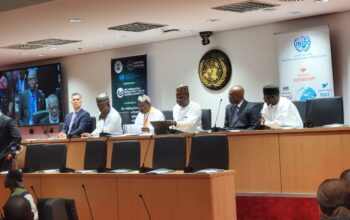
At the All-Africa Conference on Animal Agriculture in Abuja, he held discussions with officials of the Federal Ministry of Livestock Development and the Livestock Reforms and Implementation Committee on the potential for American private-sector partnerships to accelerate reforms and investment in the sector.
The engagements were supported by the U.S. Department of Agriculture’s Foreign Agricultural Service, highlighting the trade and investment dimension of the initiative.
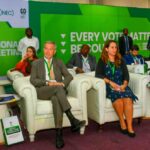
BeVier also participated in the U.S.-Nigeria Livestock and Feed Connect, a business-to-business platform that brought American animal-husbandry companies together with Nigerian businesses to explore partnerships, technology transfer and investment opportunities.
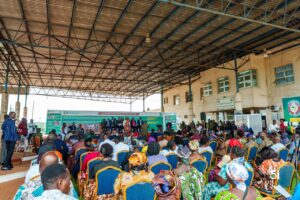
The programme extended beyond established industry players, with BeVier engaging young Nigerians through American Spaces across the country on opportunities to participate in improving livestock productivity and developing new agribusiness ventures.
The U.S. Mission said the initiative was intended to promote American prosperity by helping to create a more favourable business environment in Nigeria, particularly in agriculture, while strengthening commercial ties between both countries.
It forms part of the broader Commercial and Investment Partnership between Nigeria and the United States and reflects Washington’s increasing emphasis on private-sector-led economic engagement.
For Nigeria, the renewed American interest comes as the livestock sector assumes greater importance in efforts to strengthen food security, create employment, promote rural development and diversify the economy away from oil.
The potential areas of cooperation extend beyond livestock production to animal genetics, feed manufacturing, veterinary services, animal health, farm management, processing and agribusiness financing.
The U.S. Mission also said the initiative would build on existing people-to-people programmes, including the International Visitor Leadership Program and the Young African Leaders Initiative, while developing networks that could support future Fulbright and IVLP opportunities focused on agricultural finance and trade.
BeVier brings more than three decades of experience in livestock and agribusiness to the initiative. He is Chief Operating Officer of ST Genetics and Chief Executive Officer of Fast Genetics and previously managed the livestock portfolio at the Bill & Melinda Gates Foundation as a Senior Program Officer.

He has also held senior positions in major livestock and animal-health organisations, including serving as president of PIC and occupying leadership roles at Premium Standard Farms and Merial.
His academic background spans agricultural science, animal science, veterinary medicine and business administration from the University of Illinois, Urbana-Champaign, giving the initiative a combination of technical and commercial expertise.
The latest U.S. intervention comes against the backdrop of efforts by Abuja and Washington to broaden bilateral economic relations beyond traditional areas of cooperation.
With trade, investment, private enterprise and technical expertise at the centre of the Freedom 250 initiative, the livestock programme represents a shift towards commercially driven agricultural engagement.
For Nigeria, however, the key test will be translating the new diplomatic and business contacts into concrete investments, technology partnerships and measurable productivity gains.
With American companies now engaging directly with Nigerian businesses and policymakers, the initiative could herald a new phase in bilateral agricultural relations, positioning livestock as an important bridge between U.S. commercial interests and Nigeria’s drive for food security, economic diversification and agricultural modernisation.
For Washington, the opportunity is primarily commercial. For Nigeria, the stakes are broader: transforming a largely underperforming subsector into a productive, technology-driven industry capable of attracting investment, creating jobs and strengthening national food security.