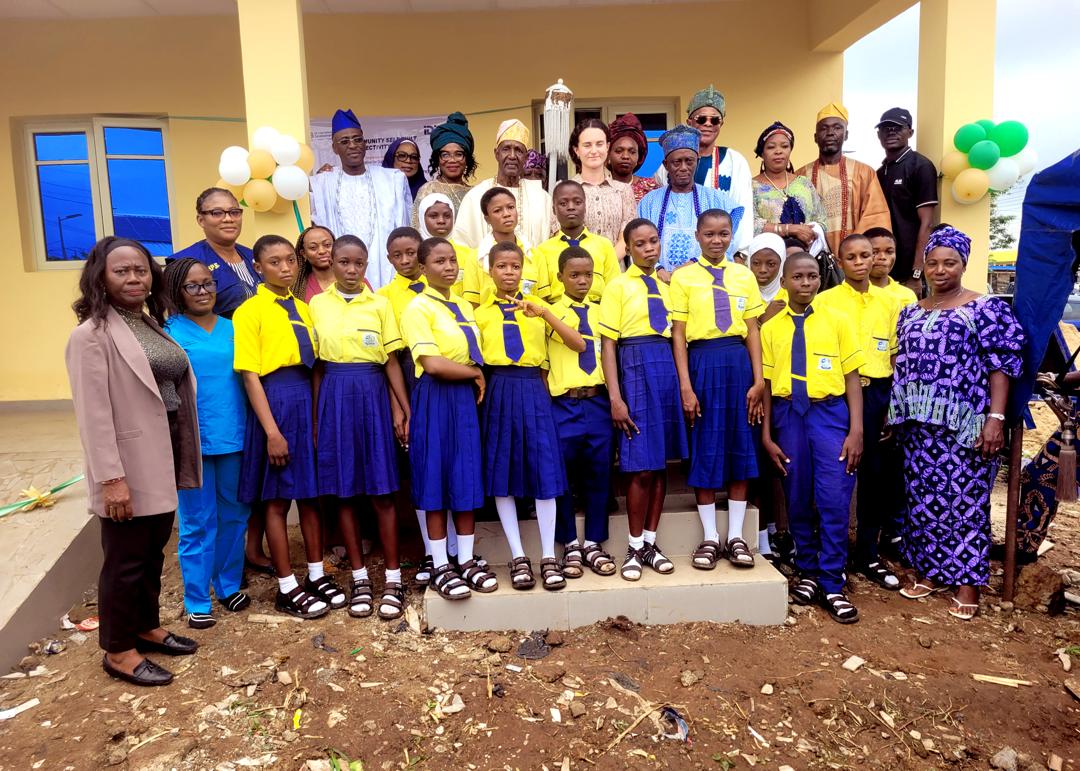
The United Kingdom has stepped up efforts to narrow Nigeria’s digital divide with the inauguration of a community-owned connectivity hub in Siun, Obafemi Owode Local Government Area of Ogun State.
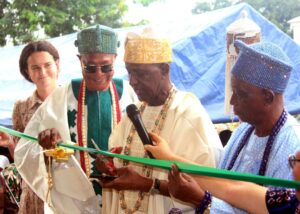
The Siun Community Self-Built Connectivity Hub, inaugurated on September 2, was supported by the UK Government through the Foreign, Commonwealth and Development Office (FCDO) Digital Access Programme.
The facility is designed to provide affordable internet connectivity, digital education and economic opportunities to residents of the underserved community, particularly young people and women.
The Siun hub is one of 10 community-centred digital facilities being supported by the UK Government across Nigeria under the programme.
Unlike conventional connectivity projects, the initiative places residents at the heart of the project, with the community participating in the construction, management and long-term sustainability of the facility.
Speaking on behalf of the UK Government, FCDO First Secretary for Economic Partnership, Grace Bell, said the project demonstrated the potential of community-led approaches to addressing development challenges.
She said the initiative was more than the provision of an internet facility, stressing that digital transformation was more likely to be sustainable and inclusive when communities were empowered to design, own and manage solutions to their challenges.
The hub is expected to serve as a centre for digital learning, skills acquisition, entrepreneurship, education, information and access to essential online services, while providing reliable internet connectivity to residents.
Constructed with locally sourced materials and incorporating sustainable energy solutions, the facility also reflects the programme’s emphasis on environmental responsibility, resilience and community ownership.
For residents of Siun, the project is expected to open new opportunities for young people and women who have traditionally faced barriers to accessing digital tools, skills and economic opportunities.
The Olu of Siun, HRM Oba Lawrence Odeyinka, whose leadership was instrumental in mobilising community participation, described the hub as an important investment in the future of the community.
He said the facility would provide youths and market women with opportunities to acquire digital skills needed to compete in the modern economy, assuring that the community would protect and sustain the project.
Also speaking, Prof. Ajao Adenekan, who represented the Alake and Paramount Ruler of Egbaland, HRM Oba Dr Michael Adedotun Aremu Gbadebo, CFR, described the project as an opening to new opportunities rather than simply the commissioning of another building.
The Siun facility joins similar community connectivity centres supported by the programme in Kaduna, Kwara, Abia and Ogun states.
The centres form part of a broader UK-backed effort to tackle digital exclusion by combining internet connectivity with digital literacy, community learning and skills development.
The UK Digital Access Programme is part of Britain’s wider partnership with Nigeria to expand meaningful digital access, strengthen digital skills and promote participation in the digital economy.
For Siun, however, the sustainability of the project will depend on translating connectivity into tangible economic and social benefits for residents.
With operations now underway, community leaders face the task of ensuring that the hub remains functional, affordable and accessible, particularly to young people, women and other underserved groups.
The community-led model could also offer a template for extending digital infrastructure to other rural communities where conventional connectivity investments have struggled to reach.
As Nigeria works to deepen digital inclusion and prepare its growing youth population for a technology-driven economy, the Siun project highlights the potential of community ownership as a sustainable pathway to closing the country’s digital divide.