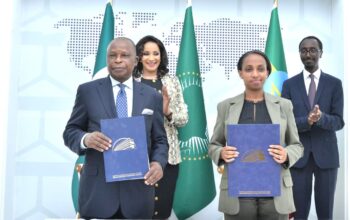
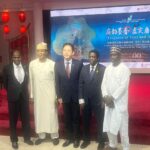
In a concerted effort to enhance journalists’ comprehension of climate change and related issues, the UN Information Centre, in collaboration with the World Meteorological Organization (WMO) and government partners, recently organized a one-day sensitization workshop for journalists on Climate Change and COP28.
The workshop, held with the aim of deepening media professionals’ insights into climate change, featured prominent speakers who underscored the pivotal role journalists play in disseminating accurate information, elucidating scientific concepts, and illuminating the consequences of climate change for the Nigerian populace.
Addressing the workshop participants, the UN Resident Coordinator in Nigeria, Mathias Schmale, highlighted the media’s indispensable role in reporting factual information. He emphasized the need for journalists to expound on scientific concepts while shedding light on the tangible consequences of climate change for Nigerians. Mr. Schmale reiterated the unwavering commitment of the UN system in Nigeria to supporting the government’s climate change initiatives through the effective implementation of the Cooperation Framework.

Mr. Bernand Gomez, the Country Representative of WMO for North, Central, and West Africa, stressed the critical responsibility of journalists as the fourth estate in informing the government about the realities of climate change. He emphasized the role of media professionals in elucidating the complexities of climate change, which is instrumental for shaping policies, resilience strategies, and mitigating risks. Mr. Gomez also highlighted the importance of journalists in promoting information sharing to communities and individuals, focusing on the impact of climate change and advocating for sustainable practices and responsible consumption patterns.

Furthermore, the Nigerian Meteorological Agency (Nimet) emphasized the significance of understanding, observing, monitoring, and predicting weather patterns to achieve sustainable development. Nimet emphasized the necessity of effective communication on climate change risks, adaptation strategies, and mitigation measures.
Ms. Adwoa Kufuor-Owusu, Senior Human Rights Adviser at UN Nigeria, emphasized the fundamental connection between climate change and human rights, including the right to development. She stressed the importance of addressing climate change as a key element in safeguarding human rights.
The workshop concluded with a call to action for journalists to play an active role in shaping public opinion and fostering a greater understanding of climate change, thereby contributing to a more sustainable and resilient future for Nigeria.