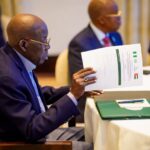
The Agro-Climatic Resilience in Semi-Arid Landscapes (ACReSAL) project has been praised as a transformative initiative for Nigeria’s agriculture sector, particularly in semi-arid regions like Nasarawa State. At the opening ceremony of the joint World Bank/FAO/FGN Hybrid Implementation Support Mission, Governor Sule Abdullahi A. Sule, represented by Deputy Governor Dr. Emmanuel Akabe, highlighted the project’s importance in addressing agricultural challenges exacerbated by climate change.
“Nasarawa State faces significant impacts from climate change, jeopardizing our security and livelihoods,” stated Dr. Akabe. “ACReSAL’s collaborative and innovative approach offers a vital opportunity to build community resilience and promote sustainable agriculture.”
The ACReSAL project aims to restore 1 million hectares of degraded land in Northern Nigeria, contributing to the Federal Government’s goal of restoring 4 million hectares by 2030. This effort is expected to reduce vulnerability for millions of impoverished residents and empower them towards environmental sustainability.
The project’s community-driven strategy places local communities at the forefront of implementation, ensuring the initiatives are tailored to their specific needs and sustainable in the long run. “ACReSAL exemplifies partnership and cooperation, uniting government agencies, development partners, academia, local communities, and NGOs to tackle our environmental challenges,” Dr. Akabe noted.

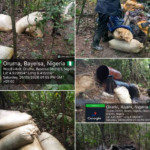
Dr. Joy Iganya Agene, Senior Environmental Specialist for the World Bank Nigeria and Task Team Leader for ACReSAL, explained that the mission’s goal is to assess implementation activities across the 19 Northern states and the Federal Capital Territory (FCT). The mission involves visiting communities, inspecting lands marked for restoration, and overseeing the Community Resolving Fund (CRF) activities.
“Nasarawa is a leading state in the ACReSAL initiative, thanks to strong state leadership,” Dr. Agene said. She indicated that Nasarawa would be among the first in the group two phase to qualify for the next stage of ACReSAL investment, contingent on demonstrating commitment and technical capacity for interventions.
Mr. Abdulhamid Umar, the National Project Coordinator for ACReSAL, emphasized the mission’s purpose in verifying the project’s implementation and outcomes. Mr. Precious Agbesor from the Food and Agriculture Organization (FAO) praised the partnership between the World Bank and the Nigerian government, noting that FAO supports ACReSAL’s goal of restoring 350,000 hectares of degraded land under the Community Climate Resilience component.
Dr. Napoleon Gyobe Elias, the Nasarawa State ACReSAL Project Coordinator, outlined state-specific activities designed to enhance adaptive capacities and promote sustainable growth.