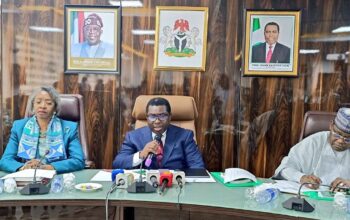
The Resource Centre for Human Rights and Civic Education (CHRICED) has reiterated its commitment to eradicating female genital mutilation (FGM) in Nigeria and across Africa. Marking the International Day of Zero Tolerance for FGM, CHRICED called for strengthened efforts to eliminate the practice, which continues to pose severe physical and psychological harm to millions of women and girls.
In a statement issued Wednesday, CHRICED emphasized that FGM is not just a cultural issue but a serious human rights violation with lasting health and social consequences. The organization highlighted Nigeria’s commitment to international standards, citing the Violence Against Persons Prohibition Act of 2015, which criminalizes FGM, and the National Gender Policy, which prohibits harmful traditional practices.
Despite these legal frameworks, recent data from the Nigeria Demographic and Health Survey indicates that about 20% of women aged 15 to 49 have undergone FGM. UNICEF ranks Nigeria as having the third highest number of affected women and girls globally. Across Africa, more than 200 million women and girls have been subjected to FGM, with nearly 3 million at risk annually.
CHRICED expressed concern over the severe health risks associated with FGM, including excessive bleeding, infections, childbirth complications, and long-term psychological trauma. The organization stressed the need for a multifaceted approach—education, community engagement, and policy enforcement—to end the practice.
“As we observe this important day, CHRICED calls on stakeholders, policymakers, and community leaders to prioritize the fight against FGM,” the statement read. The group urged legislative bodies to enforce existing laws and adopt new frameworks where necessary, in line with Nigeria’s National Action Plan Against FGM (2021–2025).
CHRICED reaffirmed its commitment to working with civil society organizations, healthcare professionals, and grassroots communities to expand outreach, support survivors, and push for lasting change. “Together, we can build a future where every woman and girl is safe, respected, and empowered,” the statement concluded.