The Economic Community of West African States Parliament has raised alarm over the overwhelming dominance of the informal sector in West Africa, warning that nearly 90 per cent of economic activities and at least 60 per cent of the region’s workforce remain outside the formal economy, a trend lawmakers say is stifling economic growth, job creation and regional competitiveness.
The regional parliament on Monday called for sweeping policy reforms to formalise and strengthen Micro, Small and Medium Enterprises (MSMEs), describing the sector as critical to accelerating economic transformation, reducing poverty and tackling the root causes of insecurity across West Africa.
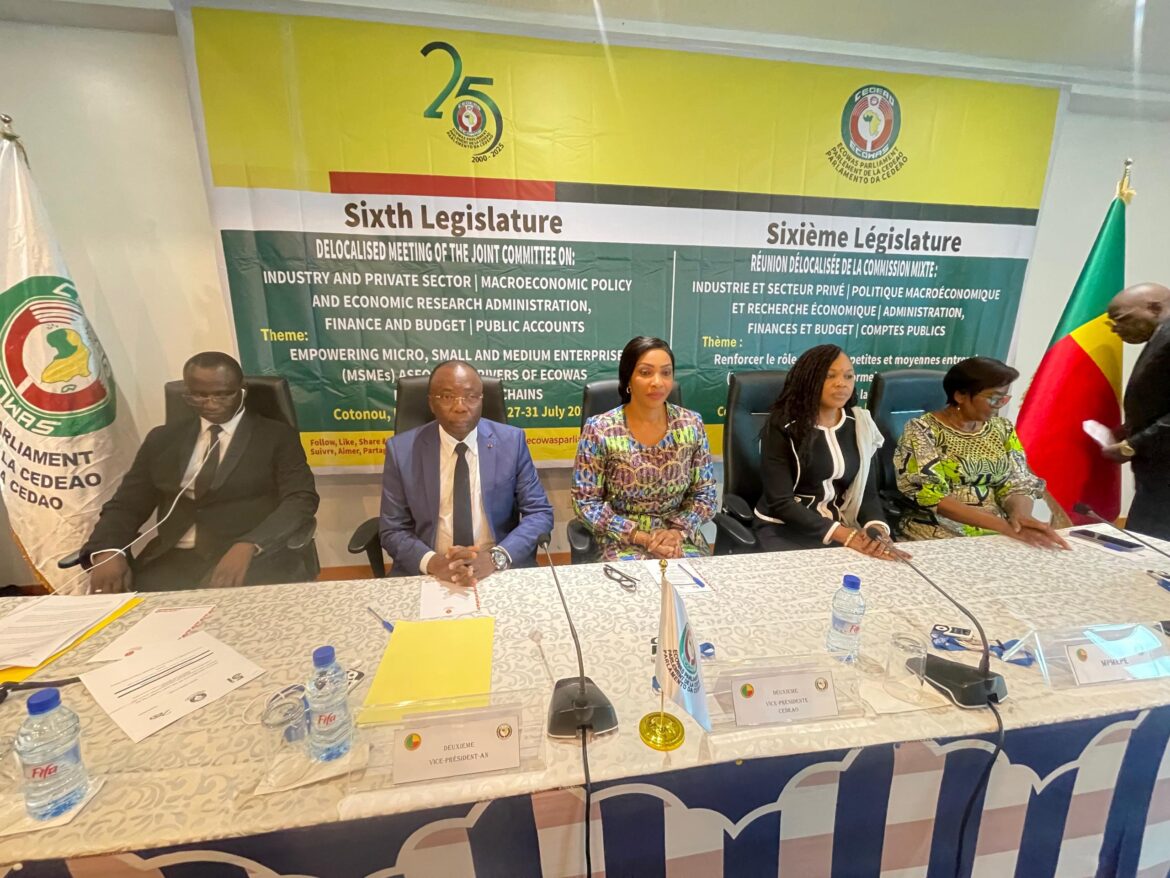
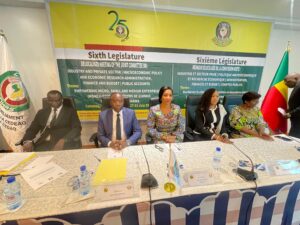
The call was made at the opening of a Joint Committee meeting of the ECOWAS Parliament in Cotonou, Republic of Benin, where legislators, policy experts, private sector leaders and development partners commenced discussions on strategies to integrate millions of informal businesses into the formal economy.
Speaking on behalf of the Joint Committee on Industry and Private Sector, Macroeconomic Policy and Economic Research, Administration, Finance and Budget, and Public Accounts, Co-Chairperson, Alhagie Darbo, said the figures reflected both the entrepreneurial resilience of West Africans and the shortcomings of existing policies in supporting business growth.
He noted that while MSMEs remain the backbone of local economies by creating jobs, driving innovation, promoting entrepreneurship, empowering women and young people, and facilitating cross-border trade, the vast majority continue to operate informally, limiting their access to finance, technology, markets, business development services and legal protection.
“It is estimated that the informal sector accounts for nearly 90 per cent of economic activities and employs not less than 60 per cent of our labour force across member states,” Darbo said.
“While this demonstrates the entrepreneurial spirit of our people, it also highlights the urgent need to create enabling policies that encourage formalisation, improve productivity and integrate MSMEs into regional and continental value chains.”
He stressed that formalising small businesses has become a strategic imperative for sustainable development, poverty reduction and deeper regional integration.
Darbo urged ECOWAS member states to remove barriers constraining MSME growth through harmonised policies, improved access to finance, accelerated digital transformation, stronger productive capacity and increased participation in regional value chains under the ECOWAS Trade Liberalisation Scheme (ETLS) and the African Continental Free Trade Area (AfCFTA).
According to him, the proposed reforms are aligned with ECOWAS Vision 2050, the bloc’s long-term development agenda aimed at building a peaceful, prosperous and fully integrated West Africa driven by inclusive economic growth.
Declaring the meeting open, Speaker of the ECOWAS Parliament, Hadja Memounatou Ibrahima, represented by Second Deputy Speaker Adjaratou Coulibaly, linked economic empowerment to the region’s worsening security challenges.
She said expanding economic opportunities for women and youths through stronger MSMEs would help reduce unemployment and address some of the underlying drivers of insecurity affecting several ECOWAS member states.
According to her, enabling more citizens to participate productively in the economy remains one of the most effective long-term strategies for promoting peace, stability and inclusive development across the region.
The committee is expected to submit recommendations to ECOWAS institutions and member states aimed at creating a more business-friendly environment capable of accelerating industrialisation, boosting intra-African trade and enhancing the global competitiveness of West African economies.
MSMEs account for more than 90 per cent of businesses across many African countries and remain the largest source of employment outside the public sector. However, many continue to operate informally because of burdensome regulations, multiple taxation, inadequate infrastructure, limited access to affordable finance and weak institutional support.
The challenge has become increasingly urgent as ECOWAS intensifies implementation of the ETLS and the AfCFTA, both of which require competitive and formalised enterprises capable of participating effectively in regional and international trade.
Economic experts maintain that bringing more businesses into the formal economy would broaden the tax base, improve access to credit, enhance productivity, stimulate investment and position West Africa to compete more effectively in the global marketplace.