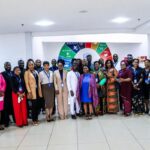
The Emir of Jiwa and Paramount Ruler of Jiwa Kingdom, Idris Musa, has commended the poverty-reduction intervention of the Agro-Climatic Resilience in Semi-Arid Landscapes (ACReSAL) Project, describing it as a transformative initiative for a community grappling with environmental stress and limited economic opportunities.
The monarch gave the endorsement during a high-level engagement with officials of the World Bank-backed programme in the Federal Capital Territory (FCT), pledging the community’s full cooperation to ensure the success of the intervention.
“I thank you for considering my community. We have listened to your promises and we are prepared to cooperate fully to ensure successful implementation,” the Emir said.
The intervention is being led by ACReSAL’s Task Team Leader and Senior Environmental Specialist at the World Bank, Joy Iganya Agene. The initiative is designed to expand income-generating opportunities while addressing climate vulnerabilities affecting semi-arid communities.
Agene explained that beyond financial support, the project aims to strengthen resilience through sustainable agricultural practices, improved rural infrastructure and structured community participation.
“Our engagement with more than 30 community groups has helped us understand their priority needs,” she said. “We have identified critical concerns, including drainage challenges that must be addressed before the rainy season. We will guide the community on the steps required to begin implementation.”
She emphasised transparency and collaboration, urging community groups with similar objectives to consolidate efforts and submit stronger, unified proposals capable of attracting support under the project framework.
The Mandate Secretary of the Agriculture and Rural Development Secretariat, FCTA, Abdullahi Suleiman Ango, represented by Ann Ijeoma, said ACReSAL’s impact is already visible across several rural communities in the FCT.
He noted that the Community Revolving Fund (CRF) is empowering grassroots agricultural enterprises, while infrastructure projects—including solar-powered boreholes, solar streetlights and improved waste management systems—are enhancing living standards.
“These investments belong to the people. Protecting and maintaining them will guarantee long-term benefits,” he said, urging residents to take ownership of the projects.

Earlier, the FCT ACReSAL Project Coordinator, Caroline Opara, disclosed that consultations in Jiwa identified urgent needs in flood control, agricultural inputs, solar lighting, improved water access and expansion of the Community Revolving Fund.
She added that residents have been organised into Community Interest Groups (CIGs), with deliberate emphasis on inclusiveness and women’s participation to ensure equitable distribution of benefits.
“The enthusiasm shown here gives us confidence. With the World Bank team on ground, we expect to fast-track the processes needed to deliver these interventions,” Opara said.
For Jiwa, a largely agrarian community contending with drainage deficiencies and limited economic diversification, the ACReSAL initiative represents a strategic pathway toward climate resilience and sustainable poverty reduction. Stakeholders say successful implementation could position the community as a model for integrated rural development within the FCT.