Massimo De Luca, Head of Cooperation at the EU Delegation to Nigeria and ECOWAS, praised Nigeria’s leadership in climate action, noting the country’s early support for the EU’s pledge to triple renewable energy sources and double energy efficiency by 2030. He also highlighted the importance of building the capacity of Nigerian negotiators to ensure productive engagement at COP29.
“The EU is committed to supporting Nigeria’s climate agenda, including reviewing the waste, energy, and circular economy sectors of its Nationally Determined Contributions (NDCs),” De Luca said.
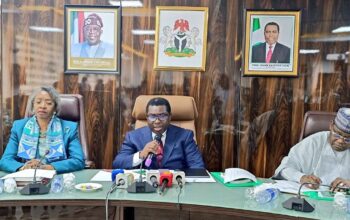
Dr. Nkiruka Madueke, Director-General of the NCCC, emphasized the importance of Nigeria’s leadership role in global climate negotiations, stressing that well-trained negotiators are essential for the country to make a meaningful impact at COP29.
Martine Sobey, Climate Change and Nature Team Leader at the British High Commission, added that Nigeria’s role at COP29 will be crucial in shaping global climate action, urging the country to present a skilled and goal-oriented team.
Additionally, the EU has supported Nigeria in reducing methane emissions, particularly in the oil and gas sector. A recent workshop provided stakeholders with strategies to monitor and cut emissions, aligning with Nigeria’s commitment to reduce fugitive methane emissions by 60% by 2031 and eliminate routine gas flaring by 2030.
Dr. Madueke described methane reduction as both an environmental and economic priority, noting that addressing methane leaks is a cost-effective way to achieve significant climate gains.