The Federal Government has advanced plans to significantly reduce mercury emissions from Artisanal and Small-Scale Gold Mining (ASGM) activities across Nigeria, in a move aimed at safeguarding public health and protecting the environment.
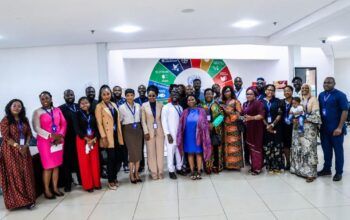
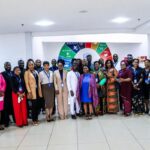
The initiative, led by the Federal Ministry of Environment in collaboration with the Federal Ministry of Solid Minerals Development and funded by the Global Environment Facility (GEF), was highlighted at an inception workshop held over the weekend in Abuja.
Minister of Environment, Balarabe Lawal—represented by the Permanent Secretary, Mahmud Kambari—said the government is committed to transitioning Nigeria toward mercury-free gold production. He stressed that while ASGM contributes meaningfully to the economy and provides livelihoods to thousands, the continued use of mercury poses severe health and ecological risks.
“Mercury is a highly toxic substance that can contaminate water and soil, bioaccumulate in the food chain and cause long-term health effects. Its pollution can persist for decades,” Lawal said.
He noted that Nigeria’s commitment to the Minamata Convention on Mercury led to the development of a National Action Plan (NAP) between 2017 and 2020. The ongoing GEF GOLD+ Nigeria Project, he added, builds on those efforts by promoting mercury-free technologies, formalization of mining activities, and access to traceable supply chains.
Permanent Secretary of the Ministry of Solid Minerals Development, Engr. Faruk Yabo, said Nigeria is taking a leading role in implementing reforms that align with global environmental standards and the Sustainable Development Goals. He emphasized that the project would strengthen institutions, support policy reforms, empower mining communities, and expand access to finance for small-scale miners.
“Improving financial inclusion is critical to enabling miners to invest in cleaner technologies and adopt safer, sustainable practices,” Yabo said.
The United Nations Industrial Development Organisation (UNIDO) also pledged continued support, noting that Nigeria’s efforts set an example for other countries working to balance economic growth with environmental responsibility.
UNIDO reaffirmed its commitment to provide technical expertise, promote knowledge exchange, and attract global partnerships to ensure that Nigeria’s ASGM sector becomes a model for sustainability, innovation, and inclusive growth.