The Government of India is moving to strengthen its strategic engagement with Africa through the forthcoming India-Africa Forum Summit, with Nigeria expected to play a central role in New Delhi’s renewed diplomatic, economic and cultural outreach across the continent.
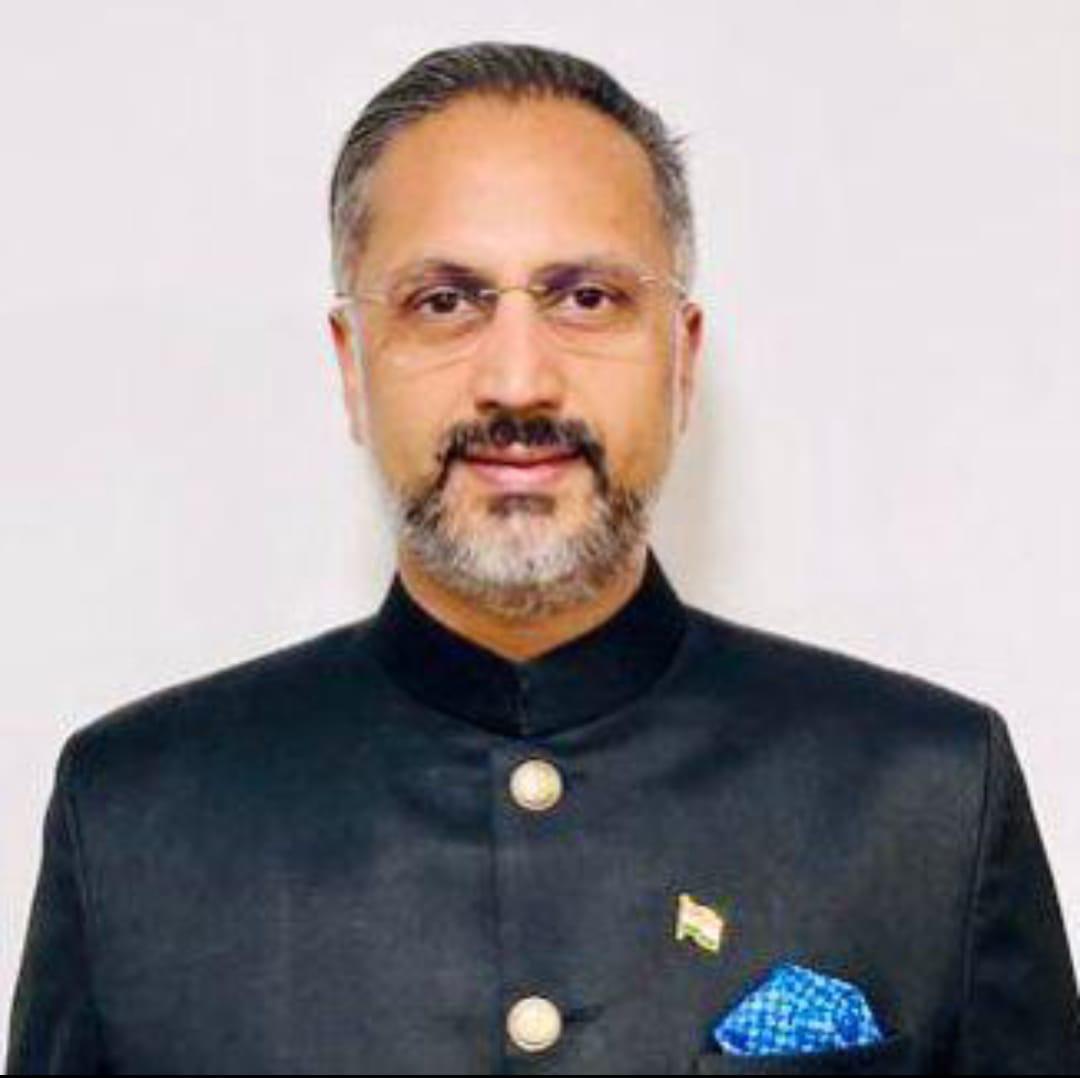
India’s High Commissioner to Nigeria, Abhishek Singh, disclosed this in Abuja while briefing journalists ahead of the fourth edition of the summit scheduled to hold on May 31 in New Delhi.
The summit, returning after a decade-long hiatus, is expected to convene African heads of state, ministers, investors, diplomats, business leaders and cultural stakeholders as India intensifies efforts to expand its influence and partnerships across Africa amid growing global competition for economic and strategic alliances on the continent.
Speaking on the significance of the gathering, Singh described the summit as more than a diplomatic engagement.
“This summit is not merely a diplomatic gathering. It is a platform to deepen political dialogue, security cooperation, trade relations, developmental partnerships, people-to-people exchanges and cultural collaboration between India and Africa,” he said.
The envoy noted that the last edition of the summit was held in 2015 and argued that both Africa and India had experienced significant political and economic transformation over the past decade, making the upcoming summit particularly important.
According to him, activities will commence with senior officials’ meetings on May 28, followed by a foreign ministers’ session on May 29 before the main leaders’ summit on May 31.
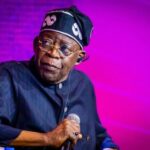
Singh also revealed that Bola Tinubu has been invited by Indian Prime Minister Narendra Modi to lead Nigeria’s delegation to the summit.
“We would be truly honoured to have the participation of His Excellency, the President,” he stated.
The High Commissioner described Nigeria as a strategic pillar in India’s Africa policy, citing the country’s democratic credentials, economic significance and regional influence.
“Nigeria is Africa’s largest democracy and one of the continent’s biggest economies. We see Nigeria as emblematic of India’s relationship with Africa,” Singh added.
Beyond diplomacy, India is also leveraging the summit to deepen commercial and cultural relations with African countries. Planned activities include business forums, cultural exhibitions, music and dance performances, as well as Track Two diplomatic engagements involving academics and private sector stakeholders.
“One of the major components is economic dialogue. We have invited Nigerian businessmen, industrialists and chambers of commerce to participate and redefine how we engage economically,” the envoy said.
India disclosed that annual bilateral trade between Nigeria and India currently stands between $8 billion and $9 billion, although both countries believe there is considerable potential for expansion.
Discussions are reportedly ongoing on improving market access, reducing trade barriers and creating new investment opportunities in sectors such as technology, manufacturing, digital infrastructure and education.
Singh also highlighted India’s growing interest in Nigeria’s entertainment and creative industries, particularly the increasing global popularity of Afrobeats music.
“The Afrobeats are becoming increasingly popular in India and names like Wizkid and Davido are not just famous in Nigeria but globally recognised and increasingly popular in India,” he said.
The envoy further stressed India’s readiness to expand cooperation with Nigeria in information and communications technology, noting that India’s expertise in ICT and digital innovation presents significant partnership opportunities for African economies.
Analysts say the renewed India-Africa engagement reflects New Delhi’s broader geopolitical strategy to deepen economic alliances, secure new markets and strengthen its influence in Africa amid intensifying competition from China, the United States, Europe and Gulf nations for strategic partnerships across the continent.
For Nigeria, observers believe the summit could create fresh opportunities for trade growth, investment inflows, educational cooperation, technology transfer and cultural exchange as the country seeks stronger international economic partnerships to support diversification and long-term development.