A significant positive impact has been realized, with over 30,000 individuals benefiting from the conflict mitigation efforts spearheaded by the United Nations International Organization for Migration (IOM) in Taraba and Adamawa states.
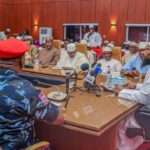
Laurent De Boeck, Chief of Mission at IOM, revealed this achievement during the official inauguration of the second phase of the project steering committee meeting in Abuja. The initiative, titled “Contributing to the Mitigation of Conflict over Natural Resources between Farmer and Herder Communities in Taraba and Adamawa States, Nigeria (COMITAS II),” is a collaborative endeavor between IOM, Search for Common Ground (SFCG), Mercy Corps, and funded by the European Union (EU).
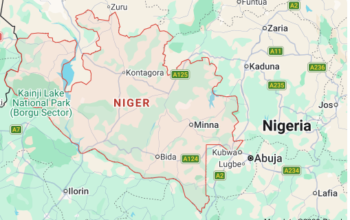
Juliana Dorr, Programme Manager of IOM, representing De Boeck, emphasized the project’s continuity from its predecessor, which successfully improved the lives of communities in Adamawa. With the inclusion of Taraba in the second phase, the project’s impact has now extended to 30,000 individuals across nine local governments.
Ahmadu Fintiri, the Adamawa State Governor, represented by Prof. David Jatan, the State Commissioner for Agriculture, acknowledged the transformative effect of the COMITAS II project since its inception in 2021. He highlighted its role in significantly reducing conflicts between farmers and herders while fostering peace and stability in affected communities.
Similarly, Taraba State Governor, Agbu Kefas, represented by Dr. Jeji Williams, his Chief of Staff, expressed gratitude for the ongoing program in the state. Kefas underscored the tangible improvements in the livelihoods of women and children and emphasized the continued need for support in addressing remaining challenges.
Eric Pitois, Programme Manager for the Regional Team for West Africa of the EU, emphasized the project’s significance in addressing the root causes of the farmers-herders crisis in Nigeria. He urged collaborative efforts among federal ministries, state governments, and stakeholders to ensure the project’s sustainability and its positive impact, particularly on vulnerable populations.
Dennis Oziioko, Staff Officer at the Office of the National Security Adviser (ONSA), commended the timely convening of the meeting, recognizing its importance in addressing conflicts. He anticipated fruitful discussions on project progress and sustainability, emphasizing the need for continued efforts in conflict resolution and prevention.
The committee’s mandate includes overseeing project implementation, making strategic decisions, and providing guidance to address various challenges such as demographic growth, land privatization, environmental degradation, and climate change, which contribute to the farmers-herders conflict.