A major new study on the burden of Lassa fever is expected to reshape vaccine research, strengthen outbreak preparedness and improve community engagement across West Africa, as regional health authorities and international partners intensify efforts to combat the deadly viral disease.
The findings from the ENABLE Lassa Programme, published in The Lancet Global Health, are expected to guide the next phase of vaccine development and inform regional strategies to address persistent gaps in understanding the disease, particularly among children and other populations underrepresented in previous research.
To examine the implications of the findings, the West African Health Organisation (WAHO), in collaboration with the Coalition for Epidemic Preparedness Innovations (CEPI) and other partners, will host a virtual webinar on Tuesday, October 13.
The webinar, themed “Turning ENABLE Evidence into Stronger Lassa Vaccine Research and Outbreak Preparedness Across West Africa,” is scheduled to hold from noon to 1:30 p.m. West African Time, ahead of a regional dissemination and engagement summit planned for Nigeria later this month.
According to the organisers, discussions will focus on the disease burden in communities covered by the study, the implications of the findings for vaccine research, and the need to close critical evidence gaps affecting children and other vulnerable populations.
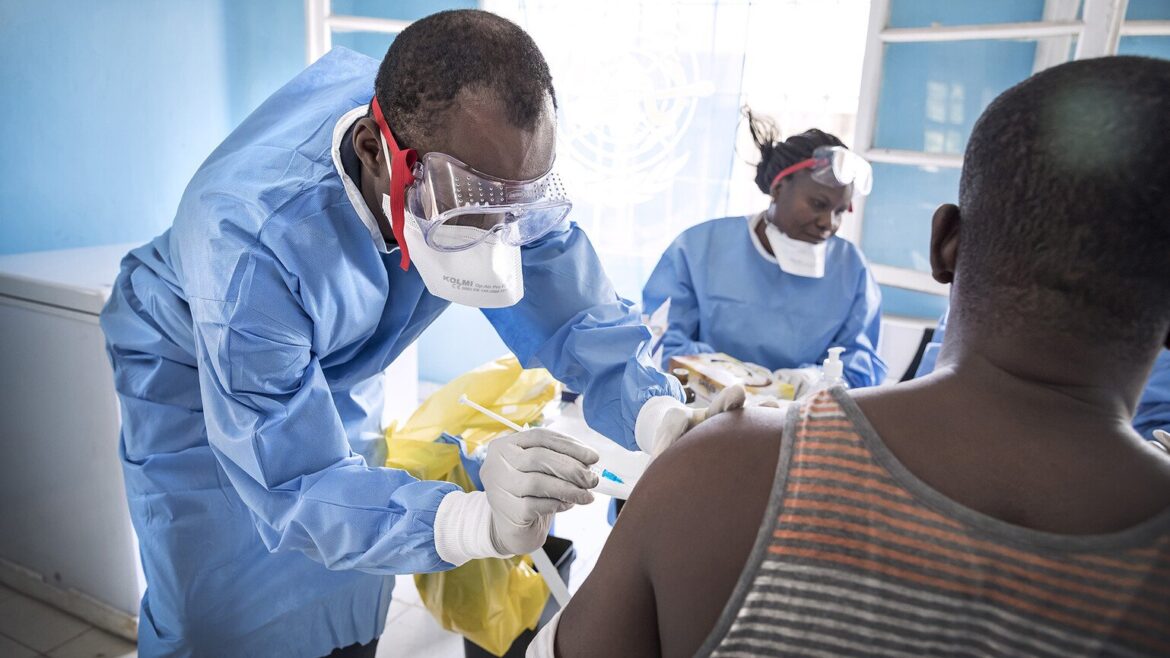
Lassa fever remains endemic in parts of West Africa, including Nigeria, where recurrent outbreaks continue to threaten public health and place considerable pressure on healthcare facilities and frontline medical personnel.
Historical estimates cited by the Africa Centres for Disease Control and Prevention indicate that between 100,000 and 300,000 Lassa virus infections occur annually across the region, resulting in approximately 5,000 deaths. However, the actual burden remains uncertain because of gaps in surveillance, diagnosis and epidemiological data.
More than five decades after the disease was first identified, no vaccine has been licensed against Lassa fever, underscoring the urgency of sustained investment in research, improved disease surveillance and coordinated regional preparedness.
The ENABLE programme was established to investigate the burden of Lassa fever and generate the scientific evidence needed to guide research priorities, public health planning and the potential future introduction of a vaccine.
The latest findings provide important insights into the disease burden in the hotspots studied while highlighting persistent gaps in knowledge, particularly regarding children and other groups whose experiences have received limited attention in previous research.
The programme has also contributed to strengthening epidemiological and laboratory research capacity across West Africa, equipping regional institutions and investigators to generate locally relevant evidence for vaccine development and epidemic preparedness.
Director of Epidemiology and Data Science at CEPI, Dr Gabrielle Breugelmans, said the findings represented a significant contribution to understanding Lassa fever but stressed the importance of translating scientific evidence into practical interventions.
She said the webinar and the forthcoming regional summit would provide opportunities for researchers, policymakers, vaccine developers and affected communities to determine how the evidence should shape future research and preparedness decisions.
Similarly, WAHO Director-General, Prof. Palokinam Pitché, emphasised the importance of regional leadership and collaboration in advancing Lassa fever research.
Pitché, who assumed office on September 1, 2026, reaffirmed WAHO’s commitment to bringing countries and partners together to translate scientific findings into coordinated action, strengthen regional health security and improve preparedness for the eventual availability of a Lassa fever vaccine.
Beyond examining the study findings, the webinar will consider efforts to forecast future demand for a Lassa fever vaccine, an essential component of planning for its potential introduction and ensuring equitable access across West Africa.
WAHO and the International AIDS Vaccine Initiative (IAVI), working with regional research partners and supported by CEPI, have advanced a vaccine demand forecasting exercise initially presented at the second ECOWAS Lassa Fever International Conference in Abidjan, Côte d’Ivoire, in September 2025.
The exercise is expected to help stakeholders estimate future vaccine requirements, anticipate implementation needs and strengthen preparations for deployment once an effective vaccine becomes available.
The organisers also stressed that community participation would remain central to the research and vaccine development process, acknowledging the contributions of people who participated in the ENABLE study.
They noted that meaningful engagement with affected communities would be critical to building public trust, encouraging participation in future research and ensuring that vaccine development reflects the needs and concerns of the populations most at risk.
Speakers at the webinar will include Breugelmans; Dr N’Faly Magassouba, Principal Investigator at Gamal Abdel Nasser University of Conakry, Guinea; Dr Onyinyechukwu Uzoamaka Oka, Community Engagement Lead for the ENABLE study at Alex Ekwueme Federal University Teaching Hospital, Abakaliki; and Mrs Elsie Ilori, Nigeria’s National Coordinator for the ENABLE Programme.
Pitché will also present perspectives on regional priorities for Lassa fever preparedness and the role of scientific evidence in strengthening health security across the Economic Community of West African States (ECOWAS) region.
The discussions are expected to identify outstanding research priorities, assess the implications of the findings for vaccine development and explore how epidemiological evidence, demand forecasting and community partnerships can improve outbreak readiness.
Interested participants can register for the virtual webinar at https://bit.ly/LassaQ3W.