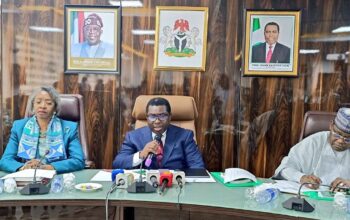
In a significant revelation, Dr. Orji Ogbonnaya Orji, the Executive Secretary of the Nigeria Extractive Industries Transparency Initiative (NEITI), disclosed that Nigeria has incurred a staggering loss of over 619 million barrels of crude oil, amounting to a value of US$46.16 billion or N16.25 trillion Naira, between 2009 and 2020.
Dr. Orji made this revelation during his goodwill message at a high-level seminar held to commemorate the United Nations International Anti-Corruption Day 2023. Emphasizing the gravity of the situation, he noted that the theme of this year’s event, “UNCAC at 20: Uniting the World Against Corruption,” resonates with NEITI’s renewed focus on combating corruption within the extractive industries.
Explaining the detrimental impact of corruption on the sector, Dr. Orji highlighted that it remains a major impediment to realizing the outcomes of groundbreaking reforms recommended in NEITI’s series of industry reports. Specifically, he pointed out that, concerning oil theft alone, the country has suffered the loss of over 619 million barrels of crude oil.
The Executive Secretary underscored the crucial role of the Extractive Industries Transparency Initiative (EITI)/NEITI process in complementing the government’s efforts to enhance transparency in mineral resource governance. He emphasized that it establishes and sustains robust systems of accountability while fostering dialogue for necessary reforms and policy changes.
As a member of the Inter-Agency Task Team, Dr. Orji expressed NEITI’s belief in the potential of collaborations and partnerships among stakeholders to devise innovative and sustainable solutions to address the corruption issues afflicting the country. He stated, “NEITI is committed to supporting the fight against corruption through the sharing of credible information and data, ensuring that corruption is minimized, if not eliminated, in the governance of Nigeria’s extractive sector.”
This revelation by NEITI sheds light on the urgent need for concerted efforts to combat corruption and safeguard Nigeria’s valuable crude oil resources. The disclosure also underscores the importance of international cooperation in addressing this pressing issue.