Nigeria is targeting up to 840,000 net new jobs by 2060 through its climate transition agenda, as the Federal Government prepares to attract investment and secure improved access to climate finance at the 31st United Nations Climate Change Conference (COP31).
The Director-General of the National Council on Climate Change (NCCC), Tenioye Majekodunmi, said Nigeria would use the conference in Antalya, Türkiye, to turn climate commitments into investment opportunities, viable projects and measurable economic benefits.
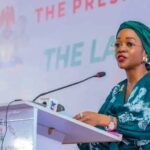
Speaking at a pre-COP31 media briefing in Abuja on Thursday, Majekodunmi said Nigeria had strengthened its climate policy framework through its updated Nationally Determined Contribution (NDC 3.0) and broader climate action and energy transition agenda.
She, however, stressed that the success of these commitments would depend on their implementation and ability to create jobs, support businesses and improve livelihoods.
“Capital follows certainty,” she said, emphasising that investors required predictable policies, credible institutions, bankable projects and confidence in the regulatory environment before committing funds to long-term investments.
According to the NCCC, Nigeria’s strategy is to convert international climate finance pledges into deployable capital, attract investors into energy transition projects and expand opportunities in green industrialisation, carbon markets and emerging green value chains.
Majekodunmi outlined a four-stage framework for achieving these objectives: “Dollars. Deals. Deliveries. Dividends.”
Under the framework, she explained that financial commitments must translate into investment agreements, signed deals must produce tangible projects, and completed projects must generate jobs, businesses and incomes for Nigerians.
“Nigeria’s climate transition will not be measured only in tonnes of carbon avoided. It will be measured in jobs created, businesses built and incomes improved,” she said.
The country’s Energy Transition Plan estimates that the transition could generate approximately 340,000 net new jobs by 2030, increasing to 840,000 by 2060, particularly in the power, clean cooking and transport sectors.
The NCCC said these projections highlighted the potential of climate action to create employment opportunities, especially for young Nigerians, while supporting businesses seeking to participate in emerging green industries.
Nigeria will also pursue investment in green industrialisation, value addition and economic diversification, including opportunities associated with critical minerals and emerging green value chains.
The country further intends to strengthen its participation in Article 6 of the Paris Agreement, which provides mechanisms for international cooperation on emissions reduction, while ensuring environmental integrity.
Majekodunmi said Nigeria would advocate improved access to climate finance and more effective mechanisms for converting international funding pledges into capital that developing countries could deploy for climate projects.
She also stressed the need for a just transition that recognises Nigeria’s development priorities and energy-access challenges, rather than treating climate action solely as an environmental issue.
The NCCC maintained that Nigeria’s ability to secure favourable outcomes would depend partly on the preparedness of its negotiators to defend national interests and influence decisions shaping the global climate framework.
“A country that negotiates well captures resources, protects its interests and shapes outcomes. A country that negotiates poorly inherits terms written by others,” Majekodunmi said.
As part of its preparations, Nigeria held a pre-COP31 briefing and negotiators’ capacity-building workshop on October 20, focusing on multilateral negotiations, climate finance, loss and damage, carbon markets, Article 6 and the New Collective Quantified Goal on Climate Finance.
The council also concluded the seventh and eighth UK PACT workshops on enhancing Nigeria’s capacity in international climate negotiations, held from October 26 to 28.
The sessions featured practical negotiation exercises covering the Just Transition Work Programme, the Mitigation Work Programme, climate finance, the Global Goal on Adaptation and Article 6.
According to the NCCC, Nigerian negotiators have been developing opening positions, potential compromise points and red lines to clarify the country’s objectives and protect its interests during the negotiations.
The council has also continued its structured mentorship programme and introduced the Nigeria Climate Negotiator Network and a digital resource repository to preserve and strengthen expertise beyond COP31.
In a related development, the NCCC announced the launch of its annual media training programme to improve journalists’ understanding and reporting of climate change, climate finance, energy transition, carbon markets, adaptation, green industrialisation, jobs and investment.
Majekodunmi said journalists had an important role in translating complex international climate negotiations into accessible information and linking global decisions to Nigeria’s development priorities.
Nigeria will also seek to strengthen Africa’s collective voice in climate negotiations as preparations begin for COP32, which is expected to provide a major platform for the continent’s climate priorities.
The NCCC said Africa’s climate agenda must remain closely linked to energy access, industrialisation, economic diversification, employment and investment, while international climate finance mechanisms should provide developing countries with more effective access to funding.
Majekodunmi said Nigeria would attend COP31 prepared to negotiate, build partnerships and attract investment, stressing that the ultimate measure of its climate ambition would be the delivery of tangible results.
For Nigeria, the key challenge remains translating climate policies and international commitments into viable projects capable of generating employment, expanding economic opportunities and improving livelihoods.