A United Kingdom-funded education programme that reached more than two million Nigerian children and supported the training of over 25,000 teachers has officially ended after seven years, leaving governments and education stakeholders with the responsibility of sustaining its achievements.
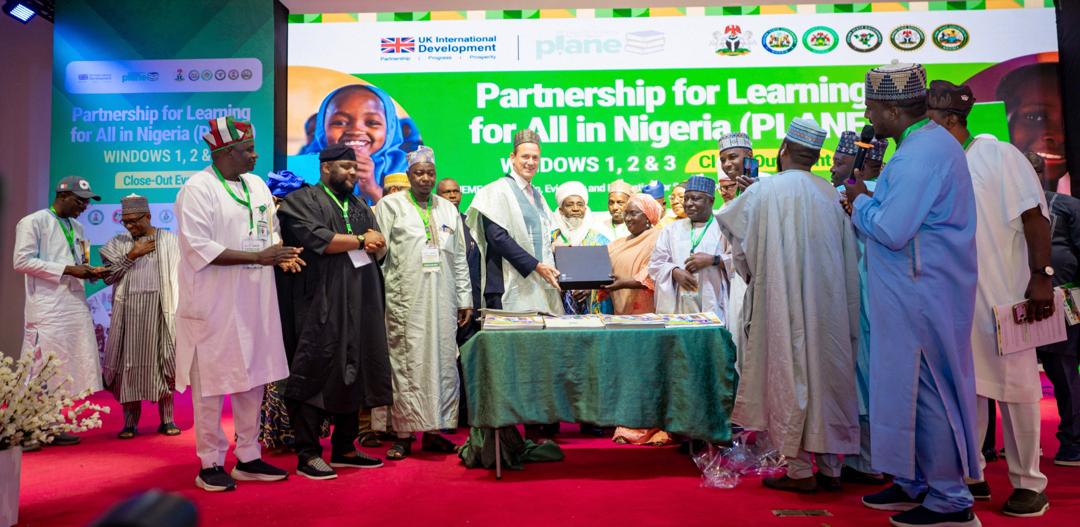
The Partnership for Learning for All in Nigeria (PLANE) formally closed on Wednesday at an event in Kaduna, marking the end of an initiative launched in 2019 to improve foundational literacy and numeracy and strengthen education systems across northern Nigeria.
Funded by the UK and implemented by DAI, UNICEF, Save the Children and other consortium partners, the programme operated at federal level and in Kaduna, Kano, Jigawa, Yobe and Borno states.
Its interventions focused on foundational learning, education in emergencies, community participation and stronger safeguarding systems to make schools safer for children.
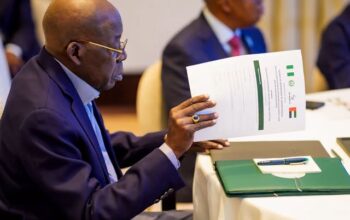
Speaking at the close-out event, British High Commissioner to Nigeria, Pete Vowles, said the programme demonstrated how collaboration among governments, teachers, communities and development partners could improve access to education and learning outcomes.
“While we are celebrating the achievements of the programme today, the most important question is what happens next,” Vowles said.
He expressed encouragement that Nigerian institutions were adopting and expanding successful approaches developed through the initiative, stressing that the end of PLANE would not signal the end of the UK’s education partnership with Nigeria.
“PLANE is closing. The UK’s education partnership with Nigeria is not,” he added.
The programme’s closure comes amid persistent challenges in Nigeria’s education sector, particularly the need to ensure that children acquire essential literacy and numeracy skills rather than merely enrol in school.
Sustaining the gains, stakeholders said, would require adequate funding, stronger institutional capacity and the integration of effective interventions into government education systems.
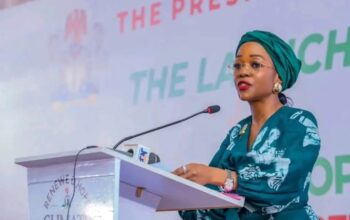
Kaduna State Deputy Governor, Dr Hadiza Balarabe, who represented Governor Uba Sani, commended the UK government, the Foreign, Commonwealth and Development Office, the British High Commission and the programme’s implementation teams for their contributions.
She said PLANE had worked with government officials and communities, including those in remote areas, while strengthening the capacities of teachers and public officers.
Balarabe expressed confidence that the knowledge and skills acquired over the seven-year period would continue to benefit schools and education authorities beyond the programme’s lifespan.
Also speaking, Head of Development Cooperation at the British High Commission in Nigeria, Cynthia Rowe, described education as one of the most important investments a country could make in its future.
She said PLANE’s achievements demonstrated the value of aligning evidence, innovation and partnerships towards improving education outcomes.
Rowe said the UK would continue to support opportunities for young Nigerians, from foundational learning in primary schools to higher education and advanced skills development.
During the visit, UK representatives also visited the College of Petroleum and Energy Studies in Kaduna, where partnerships between Nigerian institutions and UK universities are helping students develop advanced technical and professional skills.
The partnerships form part of the UK’s broader transnational education agenda, which promotes cooperation between Nigerian and British institutions in teaching, research and skills development.
With more than two million children reached and over 25,000 teachers supported, PLANE leaves behind a substantial record of intervention in Nigeria’s education sector.
However, its long-term impact will depend on the ability of federal and state governments to sustain the programme’s effective approaches, provide the necessary resources and extend the benefits to more schools and communities.
The programme’s closure therefore presents a test of local ownership and institutional sustainability, as Nigerian authorities seek to ensure that improvements in teaching and learning continue beyond the withdrawal of external programme support.