South Africa has reaffirmed its enduring relationship with Nigeria, stressing the importance of shared history, culture and African identity in strengthening ties between the two countries.
The Deputy High Commissioner of South Africa to Nigeria, Ambassador Lindy Mminele, stated this in Abuja at the 2026 Heritage Day celebration hosted by the South African High Commission.
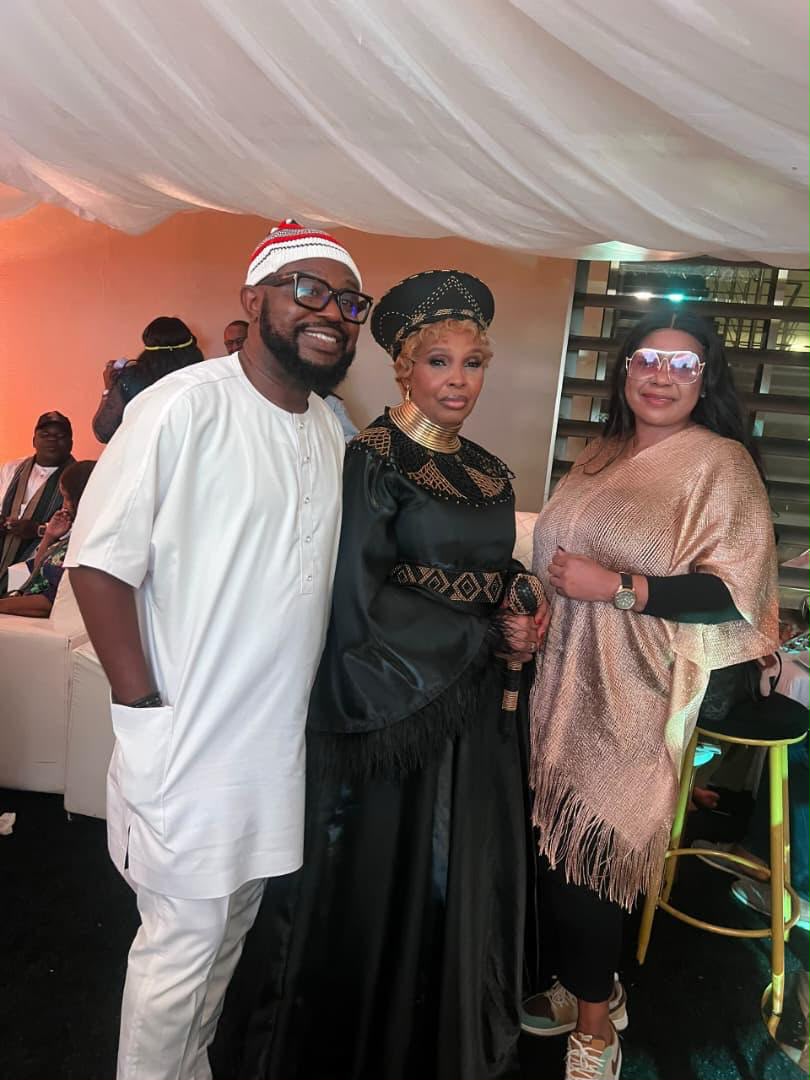
The event, held under the theme “Celebrating Our Living Heritage: Strengthening the Ties That Bind Us,” brought together diplomats, government officials, tourism stakeholders and members of the South African community in Nigeria.
Mminele said South Africa had chosen unity and Ubuntu as guiding principles in its relations with Nigeria and other African countries, describing Ubuntu as the philosophy that recognises the interconnectedness and shared humanity of people.
“Therefore, we choose unity. We choose Ubuntu. We choose the ties that bind us together,” she said.
The envoy recalled Nigeria’s historic support for the struggle against apartheid, noting that the bilateral relationship between the two countries predated South Africa’s transition to democracy.
“South Africa’s bilateral relations with Nigeria predate our democracy,” Mminele said, acknowledging the contribution of Nigeria, other African countries and international partners to the struggle that culminated in democratic South Africa.
She said the relationship had evolved from political solidarity to broader cooperation encompassing culture, entertainment, tourism and extensive people-to-people exchanges.
Mminele identified Nollywood, Afrobeats, Amapiano, music and film as major contemporary bridges between Nigerians and South Africans, particularly among young people.
She noted that Nigerian films enjoy significant interest in South Africa, while cultural institutions in both countries continue to collaborate under a Memorandum of Understanding on cultural cooperation.
According to her, South Africa participates in Nigeria’s Zuma International Film Festival, while Nigerian filmmakers attend film festivals in South Africa, including those in Durban.
Describing the cooperation between the two countries’ cultural institutions as “tight and ongoing,” Mminele said the creative industries had become an important platform for deepening bilateral relations.
She described Nigeria’s cultural heritage as a vibrant mosaic of more than 250 ethnic groups, adding that Nollywood and Afrobeats had helped project Nigerian stories and cultural expressions to global audiences.
The envoy also highlighted the growing popularity of South Africa’s Amapiano music genre in Nigeria and Nigerian Afrobeats in South Africa, alongside increasing artistic collaborations between performers from both countries.
On tourism, Mminele encouraged Nigerians to visit South Africa’s