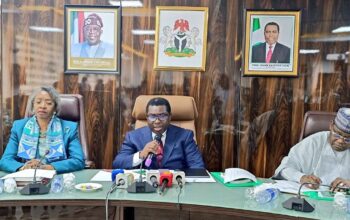
“This survey is unique as it focuses on the actual experiences of Nigerians with corruption, rather than merely perceptions,” said NBS Statistician-General, Prince Adeyemi Adeniran. He noted the introduction of modules on Gender and Disability to better understand the impact of corruption on marginalized groups.
The survey, launched by the Attorney-General and Minister of Justice, reveals that fewer citizens reported negative repercussions for refusing bribes in 2023 compared to 2019 (38% vs. 49%), indicating a growing confidence among Nigerians in confronting corruption without fear.
Reports of bribe payments to official institutions increased to 8.6% in 2023 from 3.6% in 2019, likely due to improved access to complaint channels and a more proactive response from institutions. Additionally, formal procedures against public officials based on bribery reports rose nearly three-fold from 2019 to 2023, while the rate of non-follow-ups dropped significantly.
Despite these advances, corruption remains a major issue in Nigeria, following cost of living, insecurity, and unemployment. In 2023, approximately $1.26 billion—0.35% of Nigeria’s GDP—was paid in cash bribes to public officials. Bribery in the private sector also saw a notable increase from 6% in 2019 to 14% in 2023.
The report highlights gender disparities, with women less likely to engage in or be solicited for bribery compared to men. Only 19% of female public officials solicit or accept bribes, compared to 35% of their male counterparts. Furthermore, people with disabilities face similar bribery solicitations as the general population, but the financial burden is significantly higher for them.
The survey concludes with several policy recommendations, including rewarding honest behavior, holding corrupt individuals accountable, strengthening complaint mechanisms, and increasing e-government initiatives to reduce direct interactions with public officials.
“Through this third National Survey, Nigeria sets an international best practice in implementing the UN Convention against Corruption, emphasizing evidence-based strategies for a corruption-free society,” said Dr. Oliver Stolpe, UNODC Country Representative in Nigeria.