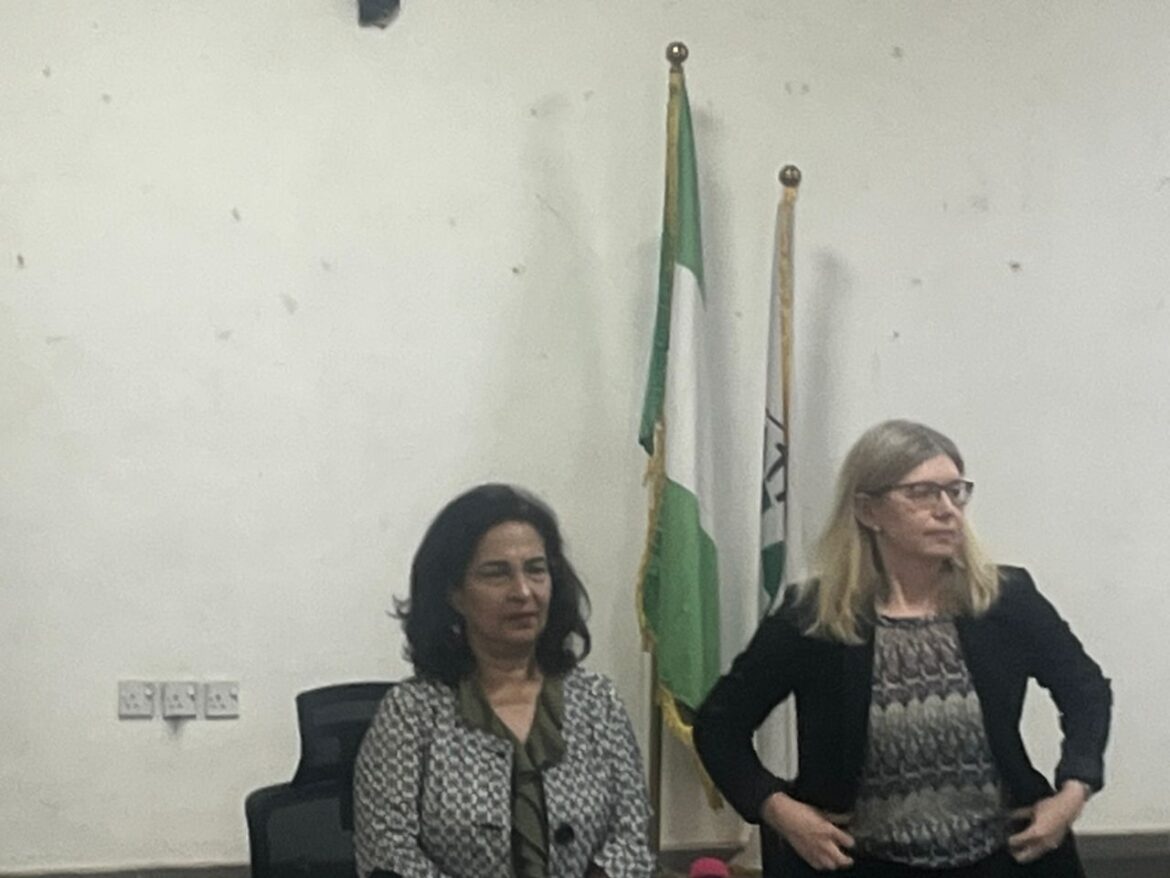
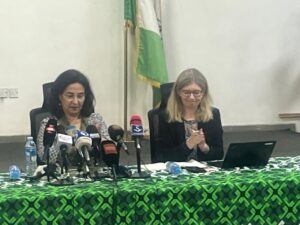
The United Nations Special Rapporteur on Freedom of Religion or Belief, Nazila Ghanea, has issued a strong warning over Nigeria’s worsening security situation, describing impunity and weak accountability mechanisms as key drivers of a persistent cycle of violence, displacement and human rights violations across the country.
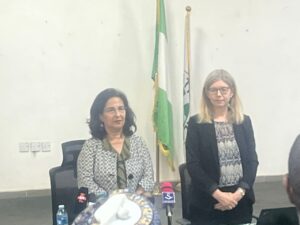
Speaking at the conclusion of an 11-day official visit to Nigeria, Ghanea said the country’s security challenges have evolved into a structural crisis marked by recurring attacks, mass killings, forced displacement, destruction of livelihoods and a growing loss of public confidence in state institutions.
The UN envoy said consultations with more than 200 stakeholders—including government officials, security agencies, victims, civil society organisations and religious leaders—revealed a nation grappling with multiple and overlapping threats ranging from terrorism and banditry to kidnapping, communal clashes and organised criminal activity.
According to her, the inability to hold perpetrators accountable has created an environment in which violence continues to recur and spread, leaving affected communities trapped in cycles of insecurity and hardship.
“The absence of justice and accountability appears to be entrenching these cycles of violence and encouraging their spread,” Ghanea stated.
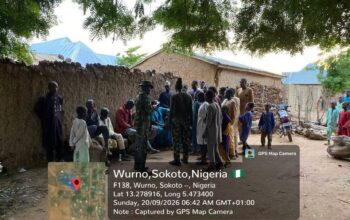
She recounted testimonies from victims in different parts of the country who described repeated attacks on their communities, resulting in the destruction of homes, loss of livelihoods and prolonged displacement. Many of those affected, she noted, remain in internally displaced persons’ camps with limited prospects of returning home.
Ghanea said some victims reported being displaced multiple times over several years, forced to repeatedly rebuild their lives only to face renewed attacks.
The Special Rapporteur also expressed concern over reports that armed groups have imposed coercive arrangements on rural communities, including demands for access to farmland and agricultural produce, which she said reflects a growing erosion of state authority and protection in vulnerable areas.
She further highlighted the alarming scale of kidnappings across the country, noting that children, religious leaders, traditional rulers, security personnel and political figures have all become targets. According to her, the persistence of abductions has fostered a parallel economy driven by ransom payments and fear, further undermining public confidence in state institutions.
Ghanea observed that the deteriorating security environment has contributed to the emergence of vigilante groups, community defence organisations and other informal security arrangements, which she described as evidence of declining trust in formal security structures.
While acknowledging the role such groups may play in community protection, she warned that the proliferation of arms and informal checkpoints could blur the distinction between legitimate self-defence initiatives and criminal activity if left unchecked.
Beyond security concerns, the UN official raised issues relating to freedom of religion or belief, including the continued requirement in certain administrative processes for citizens to declare their religious affiliation. She argued that such practices risk reinforcing identity-based divisions and exposing governance structures to manipulation.
She also criticised portrayals of Nigeria as a simple religious divide between a predominantly Muslim north and Christian south, describing such narratives as overly simplistic and incapable of capturing the country’s complex social and religious diversity.
Although she acknowledged Nigeria’s constitutional protections for fundamental rights, Ghanea expressed concern over tensions arising from parallel legal and administrative systems in some parts of the country, particularly on issues relating to blasphemy laws, personal status matters and freedom of expression.
Despite the challenges identified, the UN envoy commended the resilience of affected communities, the contributions of civil society groups and the efforts of interfaith organisations working to promote dialogue, tolerance and peaceful coexistence.
She maintained that Nigeria possesses the institutional capacity, human resources and civic engagement necessary to address its current challenges but stressed that urgent reforms are needed to dismantle what she described as an entrenched cycle of violence and impunity.
Ghanea disclosed that her comprehensive findings and recommendations from the visit will be presented to the United Nations Human Rights Council in March 2027.