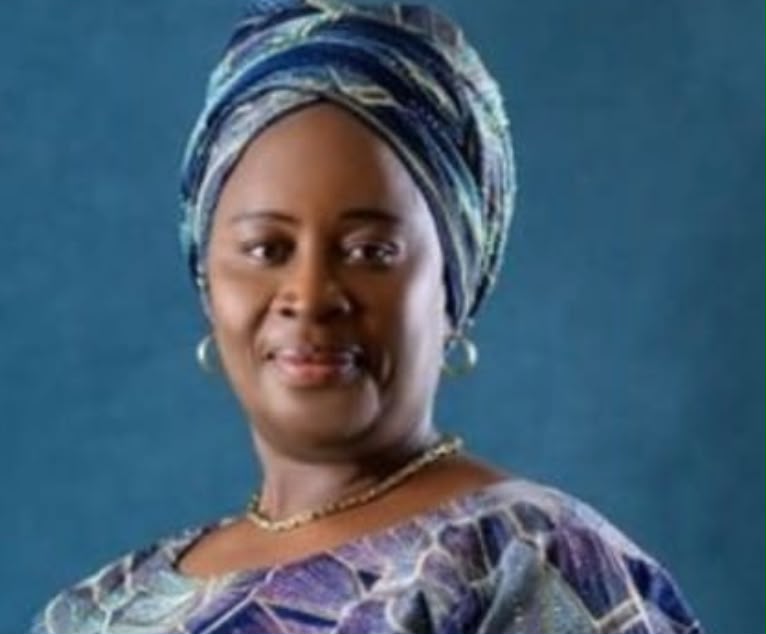
The United Nations Entity for Gender Equality and the Empowerment of Women (UN Women) has backed a 220-hour Guinness World Record attempt by Nigerian lawyer and sexual and gender-based violence (SGBV) prosecutor, Olubunmi Uluba, warning that ignorance of existing laws remains a major barrier to justice for victims of violence.
The marathon, which will involve the public reading of SGBV laws, policies and legal instruments from 15 African countries, is designed not only to pursue a world record but also to deepen legal awareness, promote comparative learning and stimulate reforms in the continent’s response to sexual and gender-based violence.
Speaking in Abuja ahead of the exercise, UN Women Country Representative to Nigeria and ECOWAS, Beatrice Eyong, said citizens could not effectively demand justice or protection under laws they did not understand.
“If you don’t know the laws, if you don’t know what has been written about sexual and gender-based violence, you cannot assert your rights,” Eyong said.
She stressed that the knowledge gap extended beyond the general public, noting that duty-bearers also needed a thorough understanding of SGBV legislation and policies to implement them effectively.
Eyong said African countries had made significant commitments to women’s rights and the prevention of gender-based violence through international and regional instruments, but persistent gaps remained between those commitments and their effective implementation at the domestic level.
According to her, the 220-hour initiative provides an opportunity for participating countries to examine each other’s legal frameworks, identify best practices and strengthen institutional responses to SGBV.
“The significance of the initiative goes beyond Nigeria and the participating African countries because of the international attention expected from the record attempt,” she said, adding that the unprecedented exercise could take the conversation on SGBV laws to a global audience.
Uluba said the marathon would cover Nigeria, Ghana, Cameroon, South Africa, Namibia, Rwanda, Kenya, Uganda, Zambia, Zimbabwe, Malawi, Sierra Leone, Tanzania, The Gambia and Botswana.
She explained that the comparative reading was not intended to rank the participating countries but to identify provisions and practices capable of strengthening survivor protection, access to justice and institutional responses to SGBV.
“We can pick the best practices and imbibe in our laws,” Uluba said.
She disclosed that the initiative would continue beyond the record attempt, with organisers planning a post-marathon stakeholder dialogue to transform findings from the exercise into recommendations for policy and legislative reforms.
“We want to move from conversation to knowledge, from knowledge to evidence, from evidence to recommendations, and from recommendations to reform,” she said.
Eyong also rejected the perception that gender-based violence should be treated solely as a private or domestic matter, warning that its consequences extend to communities, national development and economic growth.
“It’s not just a social thing. It’s not just a health thing. It’s not just something that happens in the home,” she said, stressing that SGBV affects communities, societies and economies.
She further cautioned against viewing SGBV exclusively as a women’s issue, noting that men and boys could also be victims.
The initiative has also attracted government support, with stakeholders indicating that the momentum generated by the exercise would be harnessed to strengthen community engagement, survivor support and implementation of existing legal protections.
Jessica Duru, Legal Officer with the FCT Women Affairs Secretariat, said the Federal Capital Territory had recorded more than 3,072 reported SGBV cases on the national dashboard.
She described the figures as an indication that more victims were gaining the confidence to speak out and seek help, while stressing the need for stronger institutional support.
Duru said authorities would work to expand shelters, safe spaces and emergency support services while ensuring that legal protections were effectively implemented across the six Area Councils.
Also speaking, Dr Abiodun Essiet, Senior Special Assistant to the President on Community Engagement, described the initiative as an important platform for strengthening public understanding of SGBV laws and improving protection for survivors.
The organisers said the ultimate objective was to ensure that the publicity generated by the Guinness World Record attempt translates into greater legal literacy, stronger enforcement, improved survivor protection and concrete legislative reforms across Africa.