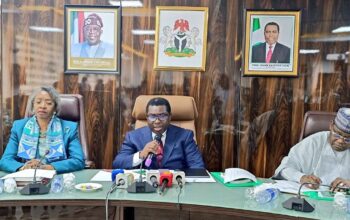
At the Nigerian Economic Summit, USAID Nigeria Mission Director Melissa Jones delivered opening remarks during the interactive plenary session on “Industrialization: The Catalyst for Nigeria’s Economic Transformation.” She emphasized the pivotal role of partnerships in advancing Nigeria’s industrial goals and driving sustainable economic growth.
Jones highlighted that USAID’s mission is deeply rooted in collaboration, stating, “Partnership is at the heart of our mission. Collaborating closely with the Nigerian government, our implementing partners, other development agencies, and the private sector is essential to advancing our shared industrial goals.” She stressed that coordinated efforts are vital to developing strategies that attract investments into Nigeria’s manufacturing sector while aligning with the country’s broader economic objectives.
The plenary session gathered key stakeholders from the public and private sectors, development agencies, and economic experts to explore solutions aimed at accelerating Nigeria’s industrialization. Discussions centered on the need to strengthen infrastructure, enhance regulatory frameworks, and boost investment in critical industries to unlock the country’s manufacturing potential.
Participants also underscored the importance of creating an enabling environment for innovation, increasing access to finance, and promoting value-added production, all of which are critical to transforming Nigeria’s industrial sector into a robust engine of economic growth.
Jones reiterated that the U.S. Government, through USAID, remains committed to supporting Nigeria’s development efforts by fostering partnerships that enhance industrial capacity, stimulate job creation, and improve competitiveness in the global market. “Together, we can develop strategies that not only attract investments but also ensure that they contribute to long-term, sustainable growth that benefits all Nigerians,” she said.
The plenary session further examined the role of industrialization as a key driver in achieving Nigeria’s Economic Growth and Recovery Plan (EGRP), with discussions on how to leverage Nigeria’s natural resources, build human capital, and promote inclusive economic growth through industrial policies. Attendees recognized that addressing the challenges in the industrial sector, such as energy supply, logistics, and access to technology, is essential to achieving Nigeria’s vision of becoming an industrialized nation.
The summit also served as a platform for stakeholders to commit to collaborative actions that would accelerate the country’s transition towards a diversified and industrialized economy.