- ACBF, AU, Benin rally policymakers, investors to fix struggling utilities, unlock energy financing and drive industrialisation
Nearly 600 million people in sub-Saharan Africa remain without electricity, highlighting the scale of the continent’s energy crisis as policymakers, investors and development partners prepare to convene in Benin Republic to advance reforms aimed at delivering reliable, affordable and sustainable power.
The crisis, compounded by unreliable electricity supply, financially distressed utilities and the high cost of alternative power for businesses, will dominate discussions at the 12th Africa Think Tank Summit scheduled for October 28 to 30 in Cotonou, Benin Republic.
The summit, convened by the African Capacity Building Foundation (ACBF) in collaboration with the Government of Benin and the African Union (AU), seeks to address the structural, regulatory and financing constraints undermining Africa’s power sector and limiting its industrial development.
With the theme, “From Energy Access to Economic Transformation: Practical Policy Pathways for Power Sector Viability, Growth, and Reform in Africa,” the three-day gathering is expected to bring together about 300 policymakers, researchers, private investors and development partners from more than 50 countries.
The meeting comes amid growing recognition that expanding electricity access alone will not deliver meaningful economic transformation without financially sustainable utilities, effective regulatory institutions, modern infrastructure and investment-friendly policies.
For African economies seeking to diversify production, create jobs and reduce dependence on imported goods, unreliable electricity remains a major obstacle to competitiveness and industrial expansion.
Businesses across the continent frequently depend on generators and other alternative power sources to sustain operations, increasing production costs, reducing profit margins and making locally manufactured goods less competitive.
The summit is therefore expected to shift the conversation from political commitments on electricity access towards practical reforms capable of improving power supply, strengthening utility performance and mobilising the investment required to transform African economies.
Mamadou Biteye, Executive Secretary of ACBF, said reliable and affordable electricity was indispensable to Africa’s structural transformation but stressed that access must be supported by institutions and systems capable of delivering sustainable results.
“We need institutions capable of implementing reform, utilities that can deliver sustainably, and African evidence that informs the decisions being made. This Summit is about bringing those elements together and moving from ambition to implementation,” Biteye said.
Utilities, regulation in focus
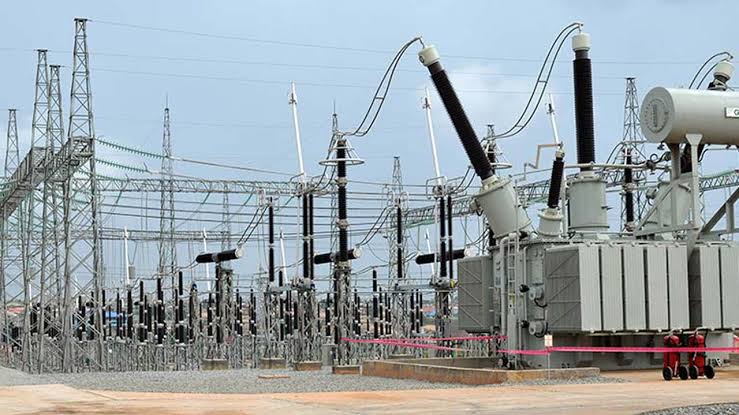
A major focus of the summit will be the financial and operational weaknesses of electricity utilities, many of which face difficulties maintaining infrastructure, expanding distribution networks and delivering dependable services.
Participants are expected to examine reforms that can improve revenue collection, strengthen operational efficiency, ensure cost recovery while protecting vulnerable consumers, and establish conditions for sustained investment in power generation, transmission and distribution.
The discussions will also address the need for effective regulatory frameworks that balance the financial sustainability of utilities with consumers’ demand for affordable electricity.
Director of the African School of Regulation, Dr Abdulkadir Shettima, said sound regulation was critical to developing financially viable power utilities, attracting investment and ensuring reliable electricity supply.
He described the summit as an opportunity to advance practical, evidence-based reforms capable of accelerating Africa’s energy transformation.
The challenge facing governments, he indicated, is to establish power-sector arrangements that encourage investment and operational efficiency while ensuring that electricity remains accessible to households and businesses.
Financing gap threatens energy ambitions
Mobilising capital for energy infrastructure is expected to feature prominently at the summit, particularly the need to reduce investment risks and the high cost of financing that often prevent viable projects from progressing.
African power projects frequently face significant financing barriers, making it difficult for governments and utilities to raise the resources required to expand generation capacity, modernise transmission networks and extend electricity access to underserved communities.
President of the African Guarantee and Economic Cooperation Fund (FAGACE), Dr Ngueto Tiraïna Yambaye, said the continent needed financing mechanisms capable of sharing risks and making energy investments more attractive to lenders and private investors.
He explained that FAGACE deploys risk-mitigation instruments, particularly guarantees, alongside resource-mobilisation initiatives to connect financial institutions, capital markets and investors with transformative energy and infrastructure projects.
Such mechanisms, he said, could help unlock financing for projects that might otherwise struggle to secure the necessary investment.
The summit is expected to explore how governments, development finance institutions and private-sector players can work together to lower financing barriers, improve investor confidence and accelerate the implementation of energy projects.
AU pushes regional electricity markets
Regional power integration and cross-border electricity trade will also feature prominently, with participants expected to examine how stronger cooperation among African countries could improve supply reliability, optimise available generation capacity and support continental economic integration.
Deputy Chairperson of the African Union Commission, Ambassador Selma Malika Haddadi, said access to modern and reliable energy at scale was essential to achieving the industrialisation and integration objectives of the African Union’s Agenda 2063.
She said the AU was supporting member states in developing regional power pools and promoting cross-border electricity trade.
According to her, the summit would provide an opportunity to strengthen this agenda through evidence-based discussions, policy dialogue and the exchange of practical experiences.
Regional electricity markets can enable countries to trade surplus power, diversify supply options and make more efficient use of existing infrastructure. However, achieving these benefits requires adequate transmission links, coordinated regulation, credible commercial arrangements and sustained political commitment.
Participants are also expected to consider clean cooking solutions as part of broader efforts to expand access to modern energy and improve living conditions across the continent.
Benin seeks practical solutions
As host, Benin Republic is expected to contribute perspectives from its experience in infrastructure development, governance and energy-sector reform.
The country’s Minister of Economy and Finance, in charge of Cooperation, H.E. Aristide Medenou, said Benin was proud to host the summit and called on participants to share solutions capable of delivering tangible benefits to citizens.
The programme will feature a high-level opening ceremony, a ministerial roundtable, plenary sessions, technical breakout discussions and reform-focused workshops.
A dedicated research session will also present findings from three consortia participating in the Africa Think Tank Platform project, highlighting the role of African research institutions in generating evidence to inform energy policy and reform.
The organisers intend to strengthen links between African research and policy expertise and the governments, regulators, utilities and investors responsible for implementing reforms.
This connection is considered critical to ensuring that policy recommendations are grounded in local realities and translated into workable strategies rather than remaining broad declarations of intent.
From commitments to implementation
The summit’s significance will ultimately depend on whether its deliberations produce practical measures capable of improving electricity reliability, strengthening utility finances, attracting investment and extending access to communities still excluded from modern power services.
For African governments, the task extends beyond connecting more households to electricity. It also requires building power systems capable of supporting manufacturing, agricultural processing, digital services and other productive activities essential to economic diversification.
The reforms under consideration will need to address the interrelated challenges of infrastructure deficits, weak utility finances, regulatory uncertainty, financing costs and limited regional integration.
With nearly 600 million people in sub-Saharan Africa still without electricity, the Cotonou meeting presents an opportunity for policymakers and development partners to establish clearer pathways towards sustainable power-sector transformation.
The central question is whether African governments and their partners can convert renewed commitments into functioning electricity systems that lower business costs, stimulate industrial growth, create jobs and deliver reliable power to millions of underserved people.