- Calls on Tinubu to provide soft loans to traders, says markets, factories can generate millions of jobs
The Kulen Allah Cattle Rearers Association of Nigeria (KACRAN) has called on the 19 governors of Northern Nigeria to adopt Yobe State Governor Mai Mala Buni’s commercial development model, describing it as a strategic pathway to economic recovery, job creation and improved security across the region.
The association also urged President Bola Tinubu to introduce accessible soft loans and special intervention funds for traders and entrepreneurs operating in newly developed markets, arguing that affordable financing is essential to unlocking the economic potential of Northern Nigeria.
KACRAN made the calls in a statement issued on Tuesday by its National President, Hon. Khalil Mohammed Bello, who said the North needed a comprehensive economic revival strategy to tackle insecurity, industrial decline, youth unemployment and disruptions to agriculture and livestock production.
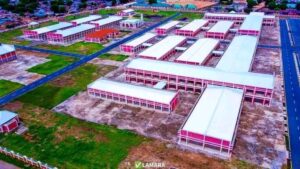
The association identified Yobe State’s investments in modern markets, trailer parks and sesame seed processing facilities as a practical model for revitalising commerce, strengthening agricultural value chains and expanding employment opportunities.
According to KACRAN, the Yobe State Government has committed billions of naira to constructing modern markets across the state’s 17 local government areas, with several projects completed and others nearing completion.
It listed Potiskum, Damaturu, Gashua, Nguru and Gaidam among the towns where modern markets have been completed, while Gujba and Fune are among the local government areas expected to have two markets each.
The association said the completed and ongoing projects would bring the total number of modern markets to 19, creating improved trading environments and strengthening commercial activities across the state.
It also highlighted the construction of trailer parks in Potiskum and Damaturu, noting that the Potiskum facility had been completed, while work was continuing on the Damaturu project.
KACRAN said the facilities were expected to improve transportation logistics, facilitate the movement of goods and strengthen connections between producers, traders and consumers across the region.
The association further identified four sesame seed cleaning and packaging factories established in Nguru, Machina, Damaturu and Potiskum as important components of Yobe’s commercial transformation agenda.
According to the group, the factories could promote agricultural value addition, reduce post-harvest losses, expand market opportunities for farmers and stimulate industrial development through local processing and packaging.
KACRAN argued that the combined investments in markets, transport infrastructure and agro-processing could generate substantial employment for young people while improving income opportunities for farmers, livestock producers, traders and other participants in the regional economy.
However, the association stressed that physical infrastructure alone would not deliver the desired transformation without adequate financial support for businesses.
It therefore called on President Tinubu to establish special credit facilities for traders and entrepreneurs who had secured spaces in the newly constructed markets, enabling them to obtain affordable working capital to stock their shops, expand operations and employ additional workers.
The association maintained that access to soft loans would help translate government investments in commercial infrastructure into productive economic activities, with benefits extending to transportation, agriculture, manufacturing and other sectors.
It added that a well-funded commercial revival programme could help address youth unemployment and reduce the vulnerability of economically disadvantaged young people to recruitment by criminal groups.
KACRAN said expanding legitimate economic opportunities was an important component of efforts to tackle insecurity, particularly in communities where insurgency and other forms of violence had disrupted livelihoods.
The association also lamented the erosion of Northern Nigeria’s historical reputation for peaceful coexistence, hospitality, commercial enterprise and trust-based business relationships.
It attributed the region’s economic difficulties to a combination of insecurity, the decline of industries, ethno-religious divisions and political mistrust, noting that insurgency had severely affected farming, cattle rearing and fishing in several communities.
According to KACRAN, rebuilding the region’s economic foundations requires sustained investments in productive infrastructure, support for private enterprise and policies capable of creating opportunities for its growing population.
The association traced the need for a renewed commercial development strategy to the socioeconomic changes that have occurred since the era of the late Premier of Northern Nigeria, Sir Ahmadu Bello.
It argued that restoring the region’s former economic strength would require practical, forward-looking policies rather than reliance on nostalgia for past achievements.
KACRAN particularly commended Governor Buni for what it described as his commitment to reviving Yobe State’s commercial sector despite the lingering challenges associated with years of insurgency.
The association also praised the state’s Commissioner for Commerce, Industry, Tourism and Solid Minerals, Hon. Kaigama Umar; the ministry’s Permanent Secretary; directors; the management of Yobe State Investment Company; and other officials involved in supervising the projects.
It said their contributions had helped advance the state’s commercial infrastructure programme and demonstrated the importance of institutional coordination in delivering economic development projects.
The association called on the remaining Northern governors to study Yobe’s approach and adapt its most effective elements to the economic circumstances and development priorities of their respective states.
It maintained that coordinated investments in commercial infrastructure, agro-processing, logistics and affordable business financing could strengthen inter-state trade, stimulate private-sector growth and create employment on a significant scale.
KACRAN expressed optimism that replicating the model across Northern Nigeria, with appropriate financing and effective implementation, would contribute to regional stability and national economic growth.
“This revolution is not just for Yobe, it is for the North and for Nigeria,” the association declared.