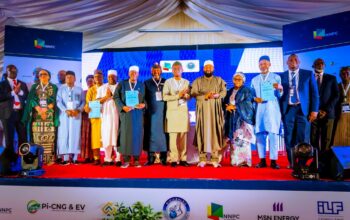
The United Nations (UN) in Nigeria has underscored the critical importance of cooperation in addressing human rights violations related to irregular migration in West Africa. This call was made during the opening ceremony of a two-day training event for Civil Society Organizations (CSOs) on human rights-based responses to migrant smuggling and associated crimes, held in Abuja.
Organized by the UN in Nigeria, the training aimed to enhance the capacities of civil society groups in adopting a human rights-centered approach to migration issues. Speaking at the event, Adwoa Kufuor-Owusu, Senior Human Rights Adviser in the Office of the UN High Commissioner for Human Rights (OHCHR), expressed her concern about the global significance of violations of migrants’ rights and related abuses.
Kufuor-Owusu characterized migration as a multifaceted and intricate issue with far-reaching negative consequences for individuals and communities worldwide, including Nigeria. She emphasized that while migration can transform societies and economies, it is also accompanied by challenges that, if not managed properly, can lead to human rights violations.
“To safeguard the rights and manage the vulnerabilities that may arise in the context of migration,” Kufuor-Owusu stated, “various legal frameworks have been established at the international, regional, and national levels.”
On a related note, Chief Tony Ojukwu, the Executive-Secretary of the National Human Rights Commission (NHRC), stressed the importance of collaboration between the government and civil society to address migration-related issues. Ojukwu, represented by Mr. Hilary Ogbonna, a Senior Human Rights Adviser at NHRC, noted that migration, whether regular or irregular, is fundamentally linked to the exercise of human rights, such as the right to freedom of movement and association.
“As a Commission, we believe that migratory activities and human rights are significant concerns for all parties involved,” Ojukwu stated. “Both the government and CSOs need to work closely together to protect human rights and ensure that every person who chooses to migrate or return is safeguarded in accordance with national and international human rights principles.”
Aishat Braimah, representing the United Nations Office on Drugs and Crime (UNODC), discussed some of the root causes of irregular migration. She highlighted that many individuals in vulnerable migration situations are often targeted by smugglers. Braimah emphasized the importance of a holistic approach to mitigate migration risks, which was the primary objective of the training workshop. The workshop aimed to bring stakeholders together to establish a comprehensive approach to addressing these complex issues.
The UN’s call for collaborative efforts in West Africa serves as a reminder of the urgency of protecting the rights of migrants and combating associated abuses in the region.