Nigeria is entering a new phase of economic decentralisation that is creating unprecedented opportunities for foreign investment and direct partnerships with state governments, Founder of Global AfriDiplomats, Deji Ajomale-McWord, declared on Friday.
He said recent reforms in electricity, taxation and local government finance are gradually reversing decades of over-centralisation, positioning Nigeria’s states as independent drivers of industrialisation, commerce and economic growth.
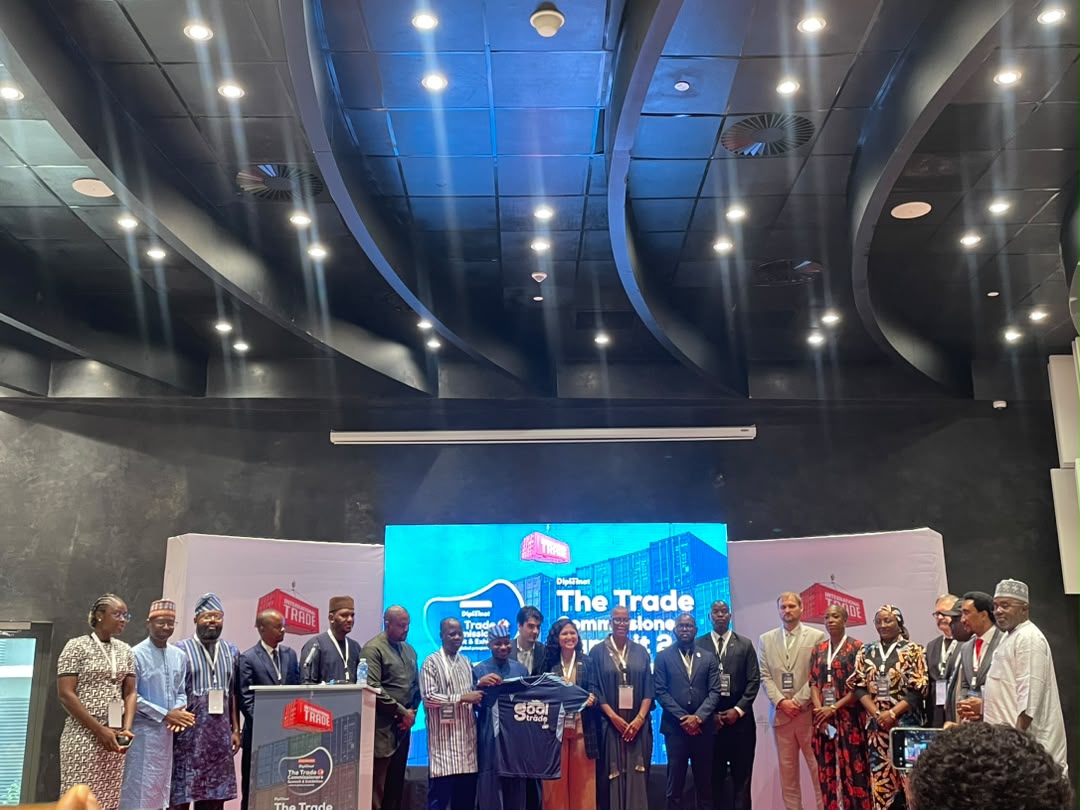
Speaking at the Trade Commissioners’ Summit, attended by diplomats, development partners, state government officials and business leaders, Ajomale-McWord urged foreign governments, diplomatic missions and international investors to broaden their engagement beyond the Federal Government by establishing strategic partnerships with subnational governments across the country.
According to him, Nigeria’s highly centralised governance framework can be traced to the Unification Decree (Decree No. 34) of May 24, 1966, which abolished the country’s regional structure and concentrated legislative powers at the federal level.
Although the military administration that introduced the decree was short-lived, he said its legacy continues to shape governance, with the Constitution placing 68 items on the Exclusive Legislative List and only 12 on the Concurrent Legislative List, thereby limiting the authority of states over strategic sectors such as electricity, security and regional integration.
Ajomale-McWord argued that the centralised system also encouraged an overreliance on the Federal Government, even in areas where state governments possess constitutional responsibilities.
He recalled that before military centralisation, Nigeria’s regions were vibrant centres of economic production, citing the former Western Region’s cocoa industry—popularly known as “Brown Gold”—and the Northern Region’s renowned groundnut pyramids as examples of successful regional economic development.
According to him, recent policy and legal reforms signal a gradual return to a development model in which states and regions will assume greater responsibility for economic transformation.
Among the reforms he identified were the National Regional Development Policy (2026–2030), the establishment of additional regional development commissions, the Electricity Act 2023, the proposed Electricity Amendment Bill 2025, tax reforms designed to increase state revenues and the Supreme Court judgment granting financial autonomy to Nigeria’s 774 local government councils.
Describing reliable electricity as the foundation of industrial development, he said new legal provisions empowering states to generate, transmit and distribute electricity would significantly improve their competitiveness and capacity to attract both local and foreign investments.
“Our states are open. Our regions are open,” Ajomale-McWord declared, noting that commissioners from various states were presenting investment opportunities, comparative advantages and development priorities directly to members of the international community.
He described the summit as the beginning of sustained engagement between Nigeria’s subnational governments and global investors.
“This is a marathon, not a sprint. We will continue this dialogue and deepen collaboration in advancing development across Nigerian states,” he said.
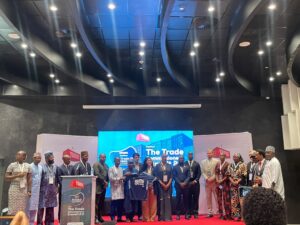
Meanwhile, the Nigeria Customs Service endorsed the growing emphasis on subnational trade diplomacy, saying stronger collaboration among customs administrations, state governments, trade commissioners and development partners would be critical to unlocking Nigeria’s economic potential.
Delivering a goodwill message on behalf of the Comptroller-General of Customs, Bashir Adewale Adeniyi, represented by Nuhu Mustapha, the Service described trade as a major catalyst for economic growth, industrialisation, employment generation and regional integration.
The Customs Service reaffirmed its commitment to facilitating legitimate trade while protecting national interests through reforms aimed at simplifying customs procedures, reducing transaction costs and improving the ease of doing business.
It highlighted ongoing digital transformation initiatives, including the deployment of the Unified Customs Management System, known as B’Odogwu, the implementation of Advance Rulings, the Authorised Economic Operator Programme and the National Single Window initiative.
According to the Service, these reforms are aligned with international best practices and the objectives of the African Continental Free Trade Area (AfCFTA), positioning Nigeria to emerge as a leading hub for regional and global commerce.
The Service also called for stronger partnerships among public institutions, development agencies and the private sector to improve export competitiveness, facilitate cross-border trade and promote inclusive economic development across Nigeria’s states and regions.