Environmental experts, traditional rulers, civil society organisations and community leaders have raised the alarm over Nigeria’s worsening ecological crisis, revealing that the country has lost more than 70 per cent of its forest reserves and continues to lose between 250,000 and 300,000 hectares of forests every year.
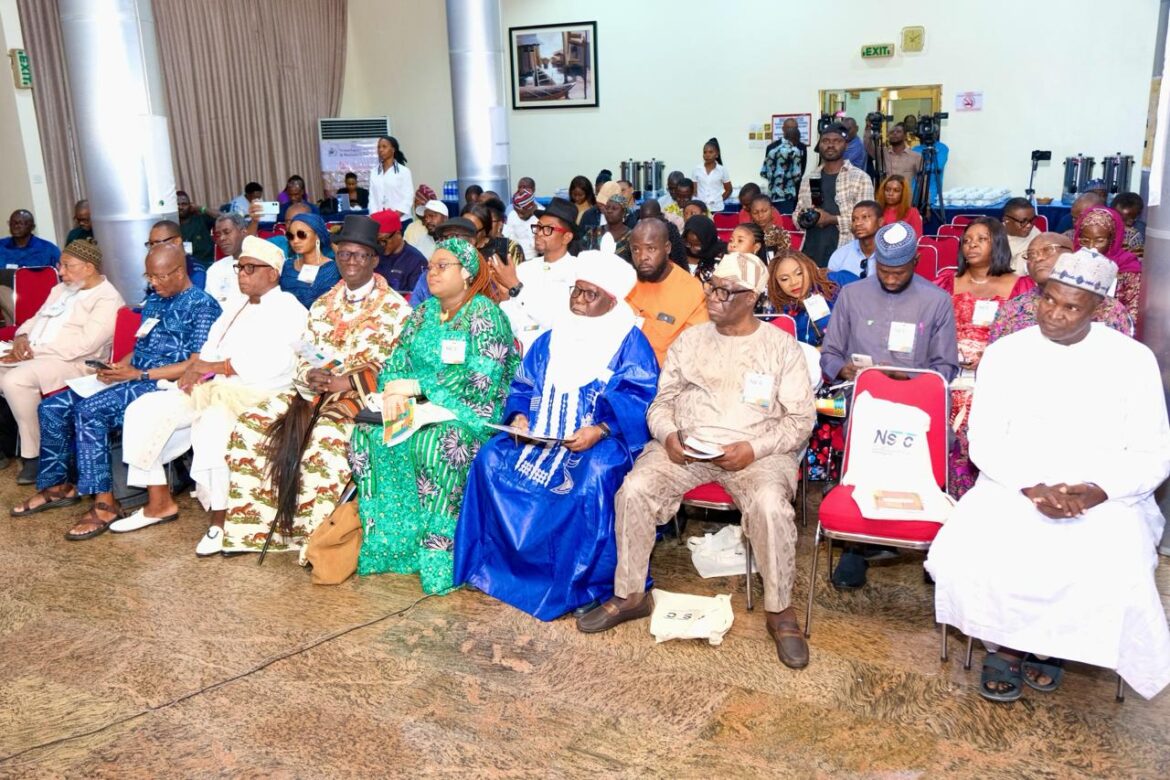
The warning was issued on Tuesday in Abuja at the Third Nigeria Socio-Ecological Alternatives Convergence (NSAC), where stakeholders called for urgent government intervention to halt deforestation, illegal mining and other environmentally destructive extractive activities threatening the country’s ecological and human security.
The convergence, organised by the Health of Mother Earth Foundation (HOMEF) and partner organisations, was held under the theme, “Deforestation, Mining, and the Crisis of Human Security in Nigeria.”
Participants drawn from government institutions, traditional authorities, academia, labour unions, host communities, youth and women groups, development partners, civil society organisations and the media warned that Nigeria’s accelerating environmental degradation was endangering food and water security, public health, livelihoods and national stability.
They identified deforestation, unregulated mining, biodiversity loss, pollution, desertification, coastal erosion and climate change as key drivers of the country’s ecological decline.
The stakeholders also cautioned that the growing global demand for critical minerals, while presenting significant economic opportunities for Nigeria, could trigger a new wave of environmental destruction, displacement and exploitation unless backed by strong environmental safeguards, transparency, accountability and respect for the rights of host communities.
According to the communiqué adopted at the end of the convergence, Nigeria’s environmental crisis has evolved beyond an ecological concern into a major governance and development challenge requiring a shift from profit-driven resource exploitation to sustainable, people-centred development.
The participants urged governments at all levels to protect forests, wetlands, rivers, farmlands and other ecological assets from land grabbing, uncontrolled logging and poorly regulated extractive activities.
They also advocated greater recognition of indigenous knowledge systems, customary land rights and the meaningful participation of local communities in decisions affecting their environment and livelihoods.
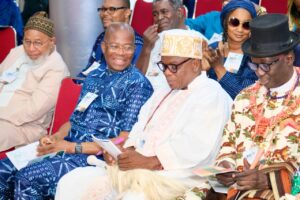
The convergence featured presentations by renowned environmental activist and President of HOMEF, Nnimmo Bassey; the Emir of Nasarawa, His Royal Highness Ibrahim Usman Jibril, represented by former Director-General of the National Council on Climate Change, Dr. Salisu Dahiru; and a keynote address delivered by Professor Omolade Adunbi.
Other speakers, including Professor Ibrahim Umara, Hauwa Mustapha, Dr. Martins Egot and Nasreen Al-Amin, examined the environmental, economic, governance and social implications of deforestation, mining and the global energy transition.
The stakeholders observed that environmental degradation was increasingly driving conflict, forced displacement, organised crime, food insecurity and widespread socio-economic vulnerability, with women, young people, Indigenous Peoples and rural communities bearing the greatest burden.
They lamented that host communities continue to suffer the environmental, health and social consequences of mining and other extractive activities while receiving little economic benefit.
The convergence further expressed concern over weak regulatory enforcement, illegal mining, inadequate environmental monitoring and poor institutional capacity, noting that ineffective Environmental and Social Impact Assessments, weak mine closure and restoration practices, and limited public participation were worsening environmental degradation.
Participants also condemned what they described as the increasing intimidation of environmental defenders, journalists and civil society organisations exposing environmental abuses, warning that such actions undermine transparency, accountability and democratic governance.
While acknowledging the opportunities presented by the global transition to clean energy, the stakeholders warned that Nigeria must avoid replacing dependence on oil and gas with another form of environmentally destructive extractivism centred on critical minerals.
To address the challenges, the convergence called on the Federal Government to adopt a comprehensive National Just Energy Transition and Critical Minerals Strategy that prioritises ecological security, renewable energy, climate action, environmental protection, industrialisation and community development.
The stakeholders also demanded stricter enforcement of environmental and mining laws, stronger regulatory institutions, intensified action against illegal mining and logging, and the mandatory application of the principle of Free, Prior and Informed Consent (FPIC) for projects affecting Indigenous Peoples and host communities.
They further advocated greater transparency in the extractive sector through independent Environmental and Social Impact Assessments, mandatory restoration bonds, mine closure plans, regular environmental audits and public disclosure of mining licences, contracts, beneficial ownership records and environmental compliance reports.
The convergence equally urged increased investment in renewable energy, ecological restoration, climate resilience, local value addition, sustainable artisanal mining and a circular mineral economy.
In its communiqué, the convergence affirmed that Nigeria’s forests, land, water, biodiversity and mineral resources are public ecological assets that must be managed in the national interest and not exploited at the expense of environmental sustainability, human rights and future generations.
The participants unanimously adopted the communiqué, reaffirming their commitment to promoting democratic natural resource governance and sustainable, people-centred development as Nigeria navigates the opportunities and challenges of the global energy transition.