The Institute for Peace and Conflict Resolution (IPCR) has identified Nigerian youths as a critical force in determining whether the 2027 general elections will strengthen national unity or deepen existing social and political divisions, urging them to deploy their growing influence to promote peace and sustainable development.
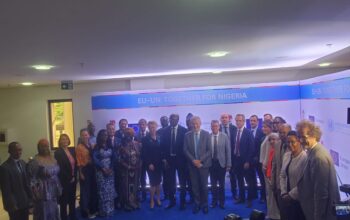
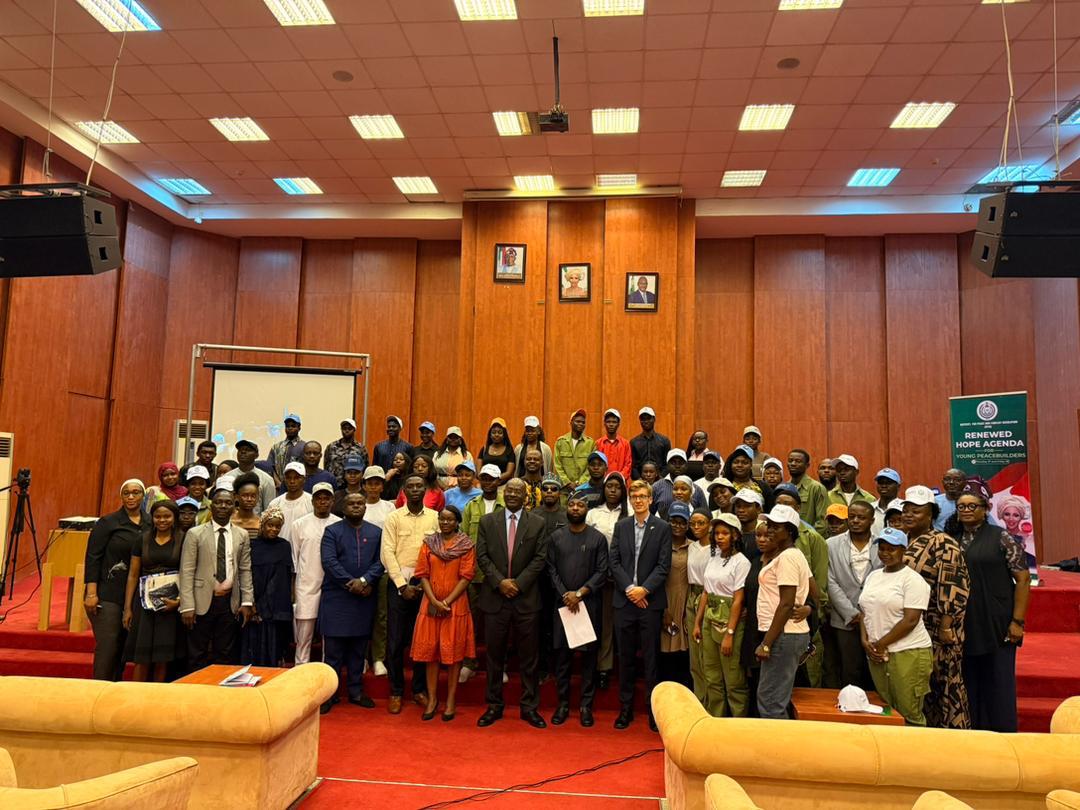
The Director-General of the IPCR, Dr Joseph Ochogwu, made the call on Thursday in Abuja at the opening of a two-day capacity-building programme for National Youth Service Corps members, SIWES participants, interns and volunteers.
The programme, organised under the Renewed Hope Agenda for Young Peacebuilders, is designed to equip young Nigerians with skills to identify early warning signs of conflict, prevent violence, mediate disputes and promote dialogue across communities and social divides.
Ochogwu said Nigeria could not achieve lasting peace or sustainable development without deliberately positioning its young population as active partners in peacebuilding.
He stressed that youths should no longer be viewed merely as beneficiaries of peace initiatives but as leaders and drivers of efforts aimed at preventing and resolving conflicts.
“Peace is not simply the absence of war. Peace is the presence of justice. Peace is the presence of dialogue. Peace is respect for human dignity,” he said.
The IPCR boss said Nigeria’s democratic future would depend significantly on the ability of citizens to manage political, ethnic, religious and social differences without allowing disagreements to degenerate into violence.
He urged participants to take the lessons from the training into their communities, workplaces, schools, homes and online platforms.
Ochogwu also drew attention to the growing influence of social media, warning that misinformation, rumours and hate speech could quickly transform isolated grievances into wider conflicts.
“When you hear a rumour capable of provoking violence, do not become part of its distribution. Verify,” he said.
He urged young Nigerians to use digital platforms responsibly by challenging false information, promoting tolerance and encouraging constructive engagement among citizens.
According to him, Nigeria’s diversity should be regarded as a national asset rather than a source of division and conflict.
Ochogwu further stressed the close relationship between peace and economic prosperity, noting that insecurity discourages investment, destroys businesses and infrastructure, and undermines sustainable development.
“There can be no sustainable development where communities live in constant fear. There can be no meaningful investment where violence destroys businesses and infrastructure,” he said.
The Peace and Development Adviser at the United Nations Resident Coordinator’s Office, Ms Grace Kpohazounde, urged young Nigerians to confront exclusion and injustice, which she identified as potential drivers of conflict.
She encouraged participants to speak out against situations capable of breeding resentment, instability and violence.
Kpohazounde said peacebuilding should not be pursued primarily as a means of generating income but as a sustained commitment to building a better society.
She added that the United Nations was working with Nigerian institutions, including the IPCR, at national and sub-national levels to strengthen peacebuilding mechanisms.
She urged the participants to remain vigilant as political activities gather momentum ahead of the 2027 general elections, warning that young people could become targets of manipulation by individuals seeking to exploit existing grievances for political purposes.
Also speaking, the Senior Conflict Adviser at the British High Commission, Dr David Rinnert, cautioned young peacebuilders against impulsive interventions in conflict situations.
He said effective peacebuilding required a deep understanding of the issues and stakeholders involved, a clearly communicated vision, consistent implementation and collaboration.
“There’s no silver bullet. For me, it’s really those three things: understand deeply, create and communicate a clear vision, deliver consistently, work with others,” Rinnert said.
The Minister of State for Foreign Affairs, Amb. Sola Enikanolaiye, represented by Amb. Muyiwa Aiyedun, said peacebuilding remained fundamental to national unity, political stability and economic growth.
He urged young Nigerians to recognise the responsibility that comes with their increasing influence and to play active roles in preventing violence and strengthening social cohesion.
The training forms part of the IPCR’s broader efforts to develop a new generation of young peacebuilders equipped to promote conflict prevention, mediation, dialogue, tolerance and responsible civic engagement.
With young people occupying an increasingly significant position in Nigeria’s political, social and digital spaces, the institute’s intervention places them at the centre of efforts to promote a peaceful electoral environment and strengthen national cohesion ahead of the 2027 general elections.