The European Union (EU) has disclosed that its strategic partnership with the United Nations (UN) delivers development and humanitarian projects worth more than $400 million annually in Nigeria, while calling for stronger government participation and increased domestic revenue mobilisation to address the country’s growing needs.
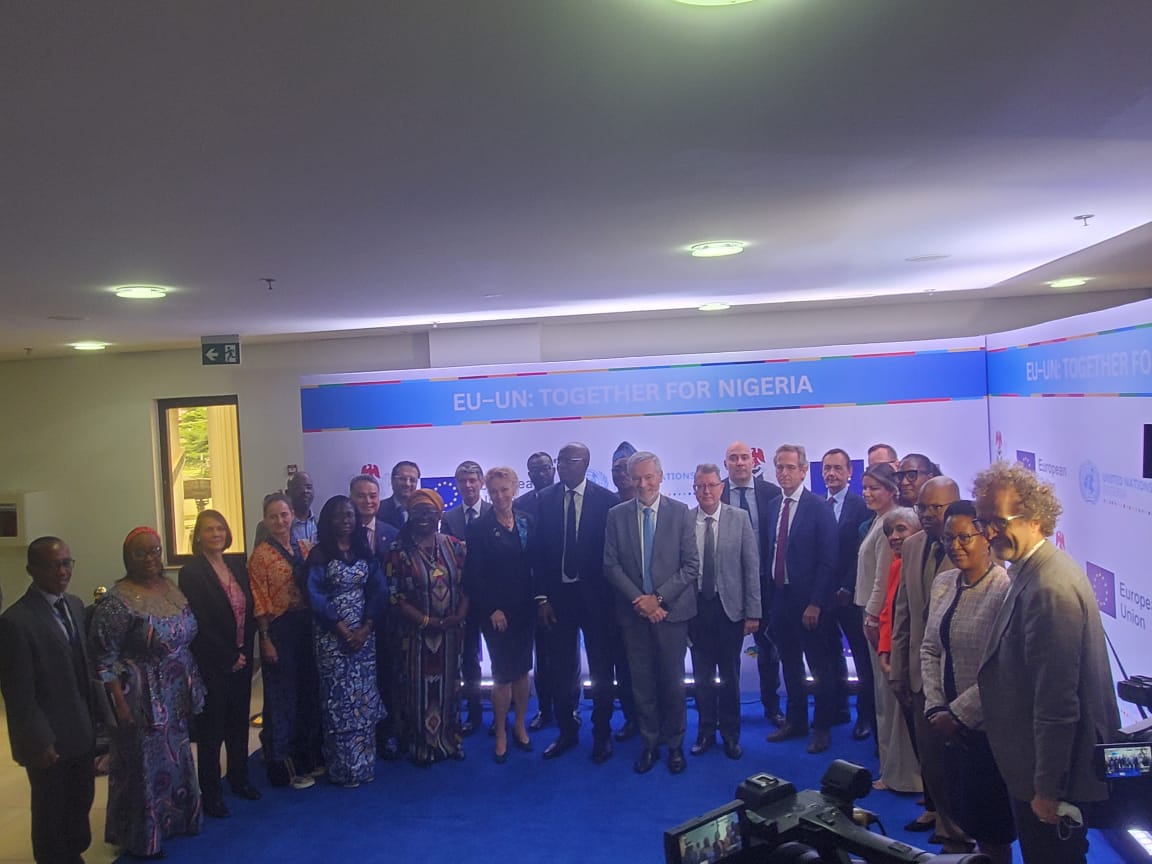
The EU official made this known after a meeting between both institutions to review their partnership, assess the performance of ongoing programmes and identify measures to improve project implementation and delivery of development outcomes to Nigerians.
He said the collaboration combines EU financial support with the UN’s technical expertise, operational capacity and field presence to implement programmes across Nigeria, stressing that the partnership remained vital amid growing global concerns over multilateralism, international solidarity and development assistance.
“Beyond even the financial support, which in Nigeria translates into projects that value more than $400 million a year, we are still having a strong strategic partnership,” he said.
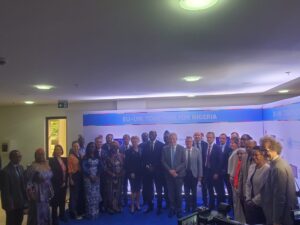
According to the official, the meeting reaffirmed the commitment of both institutions to international cooperation, development assistance and humanitarian interventions despite mounting pressures on multilateral institutions and changing global priorities.
He explained that the review provided an opportunity to evaluate progress, address implementation challenges and identify gaps requiring coordinated action by international partners and Nigerian authorities.
A major issue highlighted during the discussions was the need for the Federal Government to deepen its engagement and mobilise additional domestic resources to bridge development gaps and respond more effectively to humanitarian needs.
“This meeting was a clear indication that we need to work together and have the government of Nigeria increase its engagement and mobilisation of domestic resources to address the development gap and the humanitarian assistance need in the country,” he said.
The official emphasised that international assistance alone could not adequately address Nigeria’s development challenges without stronger national ownership, effective coordination and sustainable domestic financing.
On investment, he said the EU was leveraging its Global Gateway Strategy to attract investments to Nigeria, noting that education, governance, democracy, human rights and security remained essential conditions for creating an enabling environment for sustainable economic growth.
He disclosed that the EU and UN had reviewed a portfolio of approximately 32 projects valued at more than $500 million, funded by the EU and implemented in collaboration with 16 UN agencies.
Under the arrangement, the EU provides financial contributions and grants, while participating UN agencies contribute technical knowledge, implementation capacity and operational experience to deliver programmes in the country.
The official noted that the partnership extended beyond the two international institutions to include Nigerian authorities at federal and state levels, whose participation is necessary to align interventions with national development priorities and local realities.
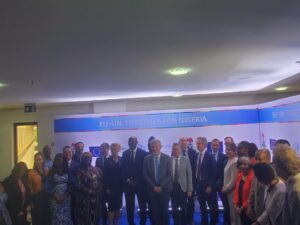
He said stronger collaboration with government institutions would help ensure that funded projects addressed pressing needs, improved implementation efficiency and delivered measurable benefits to communities.
“We are strong believers in a multilateralism that delivers, that delivers for the people and is efficient on the ground,” he said.
The official added that the review was designed to strengthen accountability, improve programme coordination and ensure that the impact of EU-funded interventions was felt more directly by Nigerians.
He maintained that the partnership would continue to support development programmes and humanitarian assistance while encouraging closer cooperation between international development agencies and Nigerian institutions.
The renewed emphasis on domestic resource mobilisation reflects growing recognition of the need to complement external development assistance with sustainable national financing and stronger government ownership of development programmes.
The EU-UN collaboration is expected to remain an important channel for delivering development and humanitarian interventions in Nigeria, with both institutions seeking to improve the effectiveness of their investments and ensure that assistance translates into tangible benefits for citizens.