The ECOWAS Parliament has urged governments across West Africa to prioritise the creation of decent and sustainable jobs for young people, warning that rising unemployment and limited economic opportunities remain the major drivers of irregular migration and human trafficking in the sub-region.
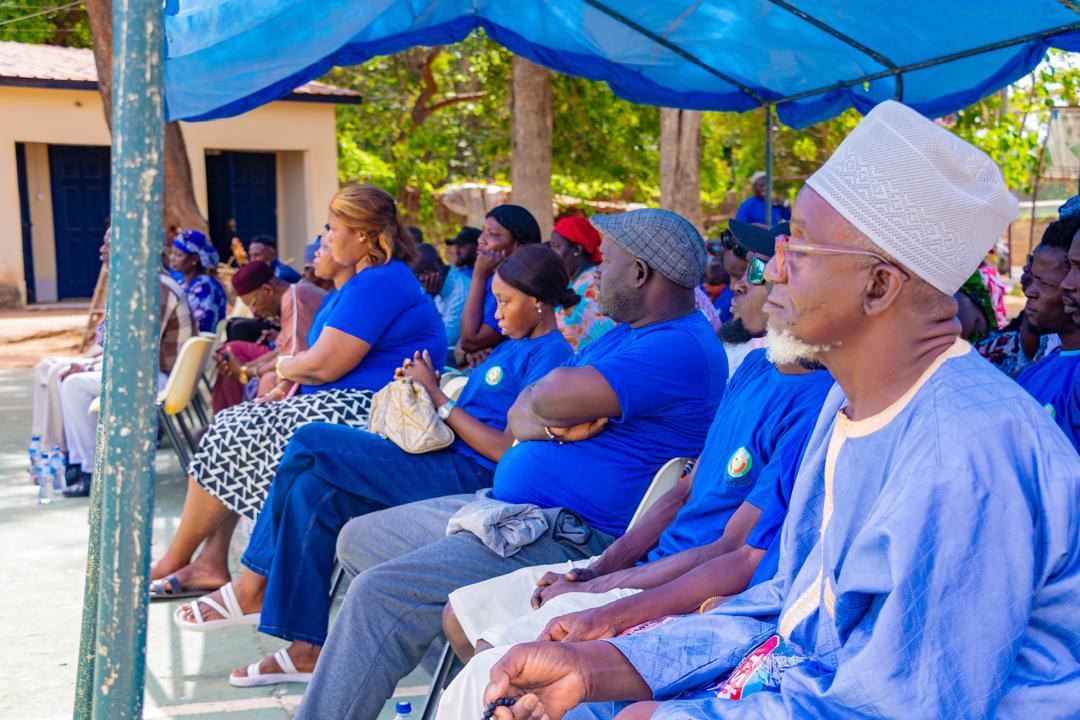
The regional legislature made the call following a week-long citizen engagement in The Gambia, where lawmakers met with youths, returnees, community leaders and other stakeholders to examine the root causes of irregular migration and propose practical policy solutions.
Presenting the report of the engagement, the head of the parliamentary delegation, Hon. Billay Tunkara, said participants overwhelmingly identified unemployment, underemployment, low incomes, inadequate access to education and vocational training, and limited economic opportunities as the key factors pushing thousands of young people to embark on dangerous migration routes.
According to the report, many youths believe the opportunities available in their home countries offer little prospect for economic advancement, reinforcing the perception that migrating abroad—often through irregular channels—is the only realistic path to a better future.
The Parliament also found that family expectations, peer pressure and the influence of social media have become significant drivers of irregular migration, with stories of successful migrants abroad encouraging more young people to undertake perilous journeys despite widespread awareness of the risks involved.
Lawmakers said testimonies from returnees and survivors revealed the harsh realities of irregular migration, including deception, forced labour, exploitation, abuse, arbitrary detention, family separation and severe psychological trauma.
The report, however, noted that survivors and returnees could play a critical role in discouraging irregular migration by sharing their experiences with vulnerable communities and helping to counter misleading narratives about life abroad.
Beyond public awareness campaigns, the Parliament stressed that governments must make substantial investments in vocational education, entrepreneurship, agriculture and access to finance to tackle the economic conditions driving migration.
It also called for comprehensive reintegration programmes for returnees, including psychosocial support, skills acquisition, livelihood assistance and community-based initiatives to facilitate their successful reintegration into society.

Among its key recommendations, the ECOWAS Parliament urged member states to expand investments in technology and vocational training centres, strengthen cross-border cooperation against migrant smuggling and human trafficking, improve intelligence sharing among security agencies and deploy modern surveillance technologies to enhance border security.
The lawmakers further advocated improved access to affordable financing for young entrepreneurs to stimulate job creation and reduce the economic incentives that fuel irregular migration.
For The Gambia, the Parliament specifically called for the swift passage and implementation of the country’s immigration bill, alongside increased investment in communities most affected by irregular migration through targeted employment and development programmes.
The regional legislature also appealed to traditional rulers, religious leaders, civil society organisations, families and the media to intensify public awareness campaigns, discourage the financing of irregular migration and promptly report suspected cases of migrant smuggling and human trafficking to the appropriate authorities.
In addition, the report recommended that the ECOWAS Parliament institutionalise regular citizen and student engagement across member states to strengthen parliamentary oversight and ensure that public consultations continue to inform regional policies on migration governance, regional integration and human security.
The report is expected to be debated during the Parliament’s ordinary session before being forwarded to relevant ECOWAS institutions for implementation upon adoption.