The people of Ekpetiama Kingdom in Bayelsa State have instituted a major legal action against Shell Petroleum Development Company (SPDC), the Minister of Petroleum Resources, the Nigerian Upstream Petroleum Regulatory Commission (NUPRC), and the Attorney General of the Federation (AGF) over alleged environmental degradation, rights violations, and unlawful divestment of oil assets.
The case, filed at the Federal High Court in Yenagoa on June 20, 2024, is led by His Royal Majesty, King Bubaraye Dakolo, Agada IV of Ekpetiama Kingdom. Full hearing is scheduled to begin on July 22, 2025.
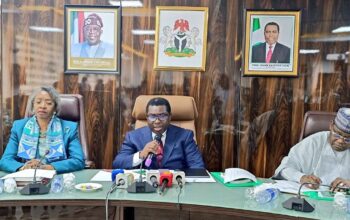
Civil society groups including the International Working Group on Petroleum Pollution and Just Transition in the Niger Delta (IWG), Health of Mother Earth Foundation (HOMEF), and Social Action Nigeria held a joint press briefing in Abuja to express solidarity with the plaintiffs.
According to the legal team, the suit challenges Shell’s planned sale of its 30% stake in SPDC to Renaissance Africa Energy Company Ltd. and others, arguing the move violates the Petroleum Industry Act (2021) and the constitutional rights of host communities. They allege Shell is exiting without meeting legal obligations such as site cleanup, environmental restoration, and compensation for decades of pollution.
The plaintiffs claim Shell’s operations in the Gbarain oil fields — located in Ekpetiama — have caused severe environmental and health crises due to oil spills, gas flaring, and abandonment of hazardous infrastructure.
They are asking the court to declare Shell’s divestment unlawful, halt the transaction, and compel federal regulators to uphold environmental and human rights responsibilities.
King Dakolo, who also chairs the Bayelsa State Council of Traditional Rulers, recounted personal experiences with constant gas flaring, polluted farmlands, and rising health issues in his community. “We have been treated as collateral damage in the ruthless pursuit of oil wealth,” he said. “Now Shell wants to walk away without accountability. We say no.”
He referenced findings from the Bayelsa State Oil and Environmental Commission (BSOEC), which revealed widespread contamination, including dangerously high levels of hydrocarbons and cancer-causing chemicals, severely impacting over 1.5 million residents.
HOMEF Executive Director Nnimmo Bassey described the Niger Delta as a “sacrifice zone for fossil fuel colonialism,” adding that justice must begin with environmental restoration. “True justice means polluters must pay, clean up, and restore what they destroyed,” he said.
Lead counsel for the plaintiffs, Chuks Uguru, stated that Shell’s exit without fulfilling its obligations contravenes both Nigerian and international environmental laws. “This is about upholding the right to a clean and healthy environment, which is fundamental under the Nigerian Constitution and the African Charter,” he said.
Dr. Prince Edegbuo of Social Action Nigeria emphasized that the lawsuit represents a critical opportunity to hold multinational oil companies accountable. “The Ekpetiama case is emblematic of broader systemic failures,” he said. “We must not allow corporate profiteers to walk away while communities suffer.”
The case is poised to be a landmark in environmental justice advocacy in the Niger Delta, with national and international attention expected as proceedings begin.