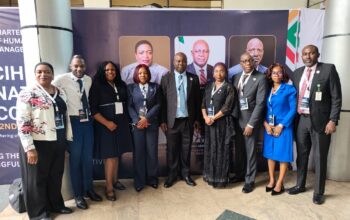
Germany, in partnership with ActionAid Nigeria, has launched a major reintegration programme for 400 Nigerian returnees, offering vocational training to support their transition back into society.
The initiative—part of the Reconnect Programme—was unveiled at an onboarding ceremony in Abuja. Beneficiaries from Abuja, Lagos, and Edo States will receive skills training designed to promote economic independence and self-reliance.
Speaking at the event, ActionAid Nigeria Country Director, Andrew Mamedu, represented by Director of Business Development and Innovation, Nkechi Ilochi-Kanny, described the programme as “a transformative journey” that offers returnees a new beginning. “This project aims to open doors to new opportunities, foster self-reliance, and lay the foundation for a more secure future,” he said.

Highlighting the challenges of irregular migration, Mamedu noted that over 17,000 Nigerians have voluntarily returned from Libya, Niger, and other transit countries since 2017, often facing stigma and limited reintegration opportunities upon their return.
The Reconnect Project, implemented in collaboration with the German Development Cooperation (GIZ), provides vocational training, psychosocial support, community engagement, and institutional strengthening to address these challenges.
GIZ Project Component Manager, Tolulope Olaiya, emphasized the broader goal of the initiative. “This project is not just about reintegration—it’s about creating an enabling environment where migration becomes a source of shared benefit,” she said. She urged participants to seize the opportunity fully, describing skill acquisition as “power to shape your own future.”

Federal Commissioner of the National Commission for Refugees, Migrants, and Internally Displaced Persons (NCFRMI), Hon. Tijani Ahmed, represented by Dr. Nsikan Essien, praised the programme’s impact. “Reintegration is not complete without empowerment. When we invest in skills, we invest in peace, progress, and national prosperity,” he said.
He added that the programme aligns with the Commission’s “Project 5×5” Agenda, which prioritizes livelihood support, durable solutions, and partnerships—especially for vulnerable groups such as women, returnees, and persons with disabilities.
The training programme represents a joint effort to foster inclusive development and ensure that returnees are equipped to rebuild their lives in dignity.