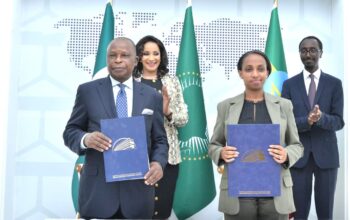
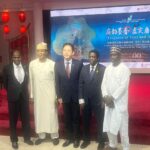
The Director-General of the Institute for Peace and Conflict Resolution (IPCR), Dr. Joseph Ochogwu, has called for deeper collaboration among policymakers, religious leaders, and civil society actors in addressing Nigeria’s persistent peace and security challenges.
Speaking in Abuja at a validation workshop on the Monitoring and Evaluation (M&E) Instrument for the Network of Policymakers and Religious Leaders, Ochogwu described the forum as a “culminating moment” in sustained dialogue and partnership.
“This Network is a bold testament to collaboration—a platform where faith-based and government institutions deliberate, decide, and implement strategies to address the critical issues affecting our country,” he said.
Established in 2022, the Network brings together senior government officials, leaders of the Christian Association of Nigeria (CAN) and Jama’atu Nasril Islam (JNI), representatives of the Nigerian Governors’ Forum, security agencies, and civil society groups. Its mandate is to develop inclusive, evidence-based policies that strengthen peace, security, and reconciliation.
Ochogwu highlighted six areas where peace and security intersect with daily life—economic security, food security, health and personal safety, environmental challenges, community trust-building, and governance—stressing that tackling poverty, inequality, and exclusion must remain central to any solution.
He explained that the M&E tool under review was designed not only as a technical instrument but also as a framework for accountability, learning, and continuous improvement. The tool, he said, would help ensure that resolutions translate into measurable outcomes rather than end as rhetoric.
The workshop was convened in partnership with the King Abdullah bin Abdulaziz International Centre for Interreligious and Intercultural Dialogue (KAICIID) in Portugal and the Nigerian Institute of Advanced Legal Studies (NIALS), underscoring the initiative’s interfaith and interreligious character.
“The path to peace is not easy, but with shared responsibility and collective action, it is always possible,” Ochogwu told participants, urging them to approach the process with a deep sense of responsibility.