A coordinated jihadist assault across Mali has exposed deep cracks in the country’s security framework, raising fresh concerns about its reliance on Russia and the effectiveness of its current military strategy.
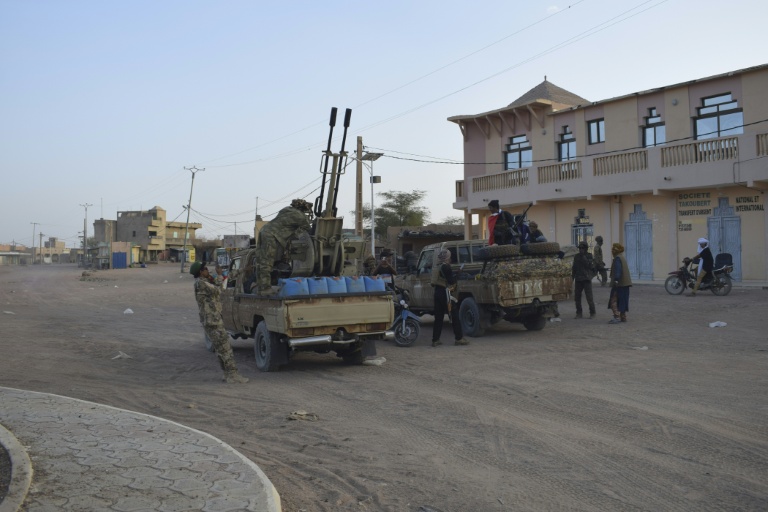
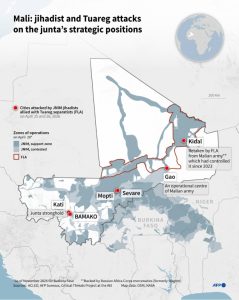
The attacks, which took place between April 25 and 26, targeted multiple locations including Bamako, Kati, Gao, Kidal and Sévaré, in what analysts describe as one of the most synchronised offensives in recent years. The scale and coordination of the ആക്രമations highlighted the operational strength of jihadist groups and the vulnerability of Mali’s defence architecture.
By Sunday morning, reports indicated that Kidal had fallen, dealing a symbolic and strategic blow to the military authorities. The development also raised questions about the role of Russian-linked forces operating in the country, particularly under the Africa Corps arrangement.
Security sources and local reports suggested that foreign fighters withdrew from key positions, leaving Malian troops exposed in remote regions far from the capital. Claims that warnings of the attack had been received in advance but not acted upon have further intensified scrutiny of the existing security partnership.
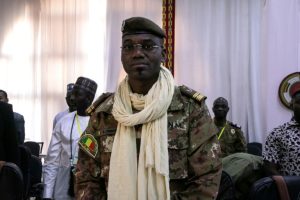
The violence resulted in significant casualties among senior military officials. Defence Minister Sadio Camara was reported dead, while Intelligence Chief Modibo Koné and Chief of Defence Staff Oumar Diarra were said to have been wounded. The losses are seen as a major setback for the country’s military leadership.
Despite official statements from allied forces claiming to have repelled large numbers of attackers, developments on the ground appeared to contradict those assertions. Armed groups reportedly took control of key positions, while military assets, including armoured vehicles and aircraft, were destroyed in several locations.
The situation has also reignited debate over Mali’s break with regional and international partners, including the Economic Community of West African States and the withdrawal of the United Nations Multidimensional Integrated Stabilization Mission in Mali.
Regional observers warn that the crisis underscores the risks of reduced cooperation and overreliance on a single external partner. The Alliance of Sahel States has yet to demonstrate a coordinated response, further amplifying concerns about collective security in the region.
Analysts say the expansion of jihadist influence poses a direct threat not only to Mali but to neighbouring countries, including Nigeria, as extremist groups continue to exploit weak state structures and limited regional coordination.
The events have prompted renewed calls for a comprehensive security approach anchored on strong institutions, regional collaboration, and accountable governance, rather than dependence on external military actors.
Observers note that the unfolding situation represents a critical moment for Mali and the wider Sahel, with implications for stability, governance, and international partnerships in the region.