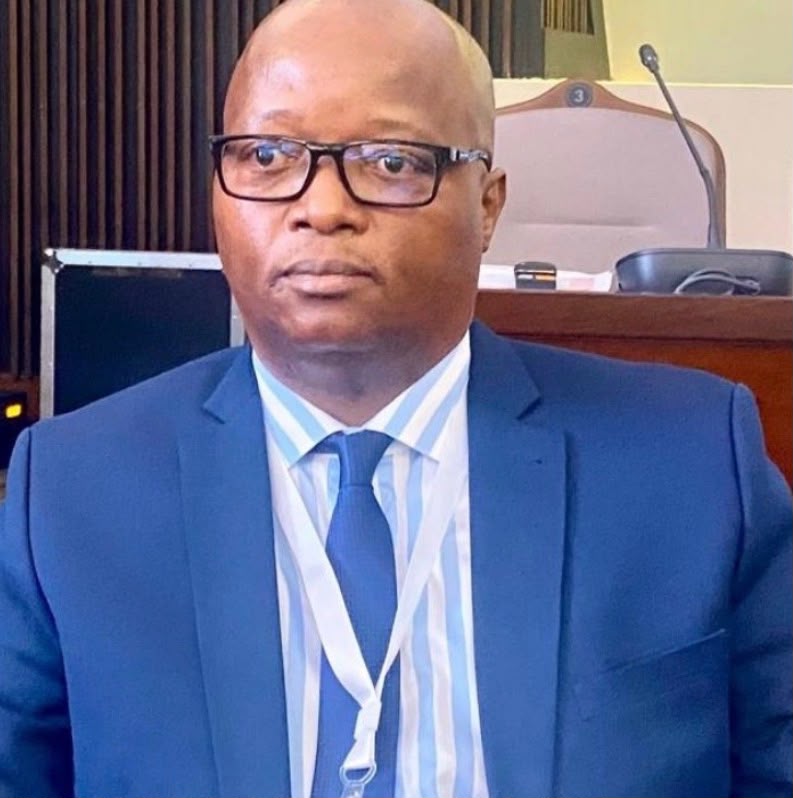
Francophone African countries are becoming increasingly vulnerable to health emergencies as chronic underfunding, shrinking donor assistance and weak domestic investment continue to undermine their healthcare systems, a leading African public health expert, Dr. Mayaka Ma-Nitu, has warned.
Speaking on the worsening health financing crisis across the continent, Dr. Ma-Nitu said many French-speaking African nations remain heavily dependent on external funding to sustain essential health programmes, leaving them exposed as international development assistance declines.
He warned that the current financing model is unsustainable and poses a serious threat to critical interventions against HIV/AIDS, tuberculosis, malaria, maternal and child health, as well as routine immunisation programmes.
According to him, the combination of dwindling foreign aid and mounting fiscal pressures on African governments has weakened the capacity of many health systems to respond effectively to existing disease burdens or prepare for future pandemics.
Dr. Ma-Nitu urged governments across the region to increase domestic investment in healthcare by allocating larger shares of national budgets to the sector, strengthening national health insurance schemes and introducing innovative financing mechanisms that reduce dependence on foreign donors.
He also called for deeper regional collaboration, arguing that countries facing similar health and economic challenges should pool expertise, resources and best practices to build stronger and more resilient healthcare systems.
His warning comes amid renewed debate over sustainable health financing across Africa as governments and development partners grapple with declining development assistance and shifting global priorities.
At a recent Extraordinary African Union Summit in Accra, Ghana, African leaders called for increased domestic investment in health, warning that reductions in donor funding could jeopardise decades of progress in the fight against HIV, malaria, tuberculosis and other infectious diseases.
Public health experts increasingly argue that health financing should be viewed not merely as a budgetary obligation but as a strategic investment in national security, economic resilience and human development. They contend that countries with well-funded primary healthcare systems and sustainable financing frameworks are better equipped to contain disease outbreaks and respond to public health emergencies.
Africa’s health sector has historically relied on financial support from multilateral institutions and bilateral development partners to fund disease control programmes, vaccination campaigns and broader health system strengthening initiatives. However, changing global aid priorities and fiscal constraints among donor nations have exposed the fragility of this model.
Although African leaders pledged under the 2001 Abuja Declaration to allocate at least 15 per cent of national budgets to healthcare, only a limited number of countries have consistently met or approached the target. The resulting financing gap has contributed to inadequate health infrastructure, shortages of medical personnel, limited access to essential medicines and high out-of-pocket healthcare costs for millions of households.
Against this backdrop, Dr. Ma-Nitu’s remarks reinforce growing calls for African governments to accelerate domestic resource mobilisation, improve efficiency in public health spending and build resilient healthcare systems capable of delivering universal health coverage without excessive reliance on external assistance.