The National Human Rights Commission has raised fresh concerns over worsening human rights conditions in Nigeria, disclosing that it received 266,787 complaints nationwide in April 2026 amid rising insecurity, extra-judicial killings, economic hardship, communal violence and growing threats to civic freedoms.
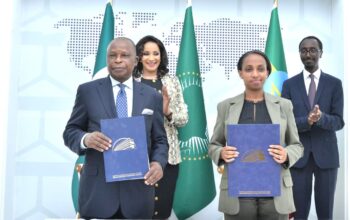
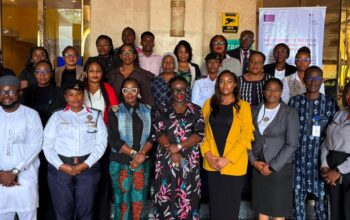
The figures were revealed on Monday in Abuja by the Executive Secretary of the commission, Tony Ojukwu, during the presentation of the April 2026 Human Rights Situation Dashboard and the signing of an Advisory on Protecting Civic Space and Human Rights.
The disclosure comes as Nigeria continues to grapple with escalating security challenges, increasing reports of civilian casualties during military operations, kidnappings, mob violence, gender-based abuse and allegations of misconduct by law enforcement agencies.
Addressing diplomats, civil society organisations, government officials, development partners and media stakeholders at the event, Ojukwu said the scale of complaints reflected the harsh realities confronting millions of Nigerians daily.
According to him, the complaints covered issues relating to discrimination, abuse of authority, insecurity, economic deprivation and limited access to justice.
“These complaints reflect the everyday realities faced by Nigerians and underscore the persistence of challenges relating to discrimination, insecurity, abuse of authority, economic hardship and access to justice,” he said.
Beyond formal complaints lodged at NHRC offices nationwide, Ojukwu explained that the commission’s Human Rights Observatory also monitored broader patterns of abuse and rights violations during the period under review.
He stated that April 2026 recorded continued incidents of violent attacks, kidnappings, communal clashes, displacement, gender-based violence, mob actions and alleged human rights abuses linked to security operations.
Of particular concern, according to the NHRC boss, was a recent military airstrike incident in Borno State which reportedly resulted in civilian casualties.
Although he did not disclose the exact location of the incident, Ojukwu said the commission had called for a “thorough, transparent and independent investigation” in line with Nigeria’s constitutional and international human rights obligations.
The incident has intensified public debate over civilian protection during counter-insurgency operations in the North-East, where security forces continue to battle insurgent groups and armed criminal networks.
“While recognizing the difficult security environment within which security agencies operate, the protection of civilian lives must remain paramount at all times,” Ojukwu stated.
“Respect for human rights and adherence to international humanitarian principles are essential components of effective security operations and democratic governance.”
The commission also expressed concern over what it described as a growing trend of extra-judicial killings allegedly involving security and law enforcement personnel.
According to Ojukwu, the commission documented more than five cases of extra-judicial killings in April alone.
“Human life is sacred and cannot be taken away by trigger-happy officers of our law enforcement and security agencies,” he said.
The NHRC, however, acknowledged recent reforms initiated by the Nigeria Police Force leadership while urging authorities to ensure the swift prosecution of implicated officers and compensation for affected families.
The Human Rights Situation Dashboard forms part of the commission’s broader effort to institutionalise evidence-based monitoring and accountability since the initiative was introduced in 2024.
Observers say the dashboard has increasingly become a critical accountability mechanism for tracking rights abuses, identifying trends and highlighting emerging threats across the country.
Alongside the dashboard presentation, the commission signed an Advisory on Protecting Civic Space and Human Rights, a development stakeholders described as significant amid rising concerns over shrinking civic freedoms globally and within Nigeria.
Ojukwu warned that civic spaces around the world are increasingly under pressure through restrictions on freedom of expression, peaceful assembly, media operations, association and citizen participation.
He explained that the advisory, developed in consultation with civil society groups and development partners, provides practical guidance for safeguarding constitutional freedoms and democratic participation.
“A vibrant civic space remains essential to democracy, accountability, peace-building and national development,” he said.
The commission specifically acknowledged the contributions of the Nigerian Network of Non-Governmental Organizations and the Heinrich Böll Foundation in supporting the initiative.
Human rights observers say the NHRC’s latest report highlights growing concerns over the intersection of insecurity, economic pressures, weak accountability mechanisms and democratic tensions in Nigeria.
Over the past decade, rights groups have repeatedly raised concerns over allegations of unlawful killings, arbitrary arrests, torture, restrictions on protests and abuses linked to counter-terrorism operations.
Ojukwu stressed that every complaint received by the commission represents a citizen seeking dignity, justice and protection, assuring that the commission would continue to strengthen accountability mechanisms, expand access to justice and deepen civic engagement.
“We remain committed to strengthening accountability, expanding access to justice, deepening civic engagement and advancing evidence-based human rights interventions,” he said.
He called on government institutions, security agencies, civil society organisations and development partners to intensify support for the protection of human dignity and democratic values across the country.