The National Human Rights Commission (NHRC) has raised serious concerns over escalating insecurity and widespread human rights violations across Nigeria, disclosing that it received a total of 422,942 complaints in November 2025 alone.
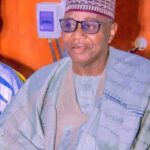
Speaking in Abuja during the presentation of the Commission’s November Human Rights Situation Dashboard, the Executive Secretary of the NHRC, Dr. Tony Ojukwu, said the figures reflect growing human suffering across the country rather than mere data points.
According to the report, more than 800 abductions were recorded within the month, including the kidnapping of over 55 farmers from their farmlands. Travellers, students, and worshippers were also among those abducted, highlighting the pervasive nature of insecurity nationwide.
Dr. Ojukwu noted that November ranked among the most troubling periods for school abductions since the Chibok incident, citing the recent kidnappings of schoolchildren in Maga and Papiri communities in Kebbi and Niger states. He warned that persistent attacks on educational institutions pose a grave threat to individual rights and the country’s long-term stability and development.
Beyond kidnappings, the NHRC documented disturbing cases of child trafficking, gang rape, and sexual abuse of minors. Ojukwu described such violations as devastating crimes that inflict lasting trauma and undermine the moral fabric of society.

The dashboard further revealed continued reports of police extortion, unlawful detention, and abuse of power, as well as harassment and intimidation of journalists and civil society actors. The Commission cautioned that sustained restrictions on civic space could erode democratic governance.
In several states, the NHRC also observed a rise in domestic violence, child abandonment, denial of access to education, and inheritance rights violations, particularly affecting women, children, and the elderly.
Summarising the findings, Dr. Ojukwu identified a troubling pattern of growing impunity, shrinking civic space, disproportionate violence against women and children, and communities living in persistent fear.
While reaffirming the Commission’s commitment to documentation, engagement, and accountability, he stressed that addressing human rights abuses requires collective action. He called on all tiers of government, traditional and religious leaders, civil society organisations, and citizens to work together to confront violence and injustice.
“As a nation, we must reach a point where no child fears going to school, no farmer fears working the land, and no woman or girl fears violence,” Ojukwu said, urging Nigerians to translate human rights principles into everyday realities.