The United Nations has called on government bodies, civil society, NGOs, the private sector, and international agencies to collaborate urgently to meet the immediate needs of internally displaced persons (IDPs) in Nigeria and work towards lasting solutions to their plight.
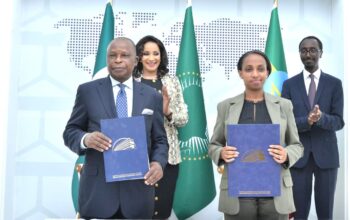
This appeal was made by the UN Resident and Humanitarian Coordinator to Nigeria, Mohamed Fall, during an event in Yola, Adamawa State, marking World Humanitarian Day. The event gathered senior officials from both the Federal and State Governments, UN representatives, humanitarian partners, and IDPs to highlight the ongoing challenges faced by displaced populations in Nigeria.
Fall stressed the importance of a coordinated response, urging all stakeholders to unite in addressing severe food insecurity and malnutrition, particularly in the conflict-affected Borno, Adamawa, and Yobe (BAY) states. He emphasized the critical need for support as 4.8 million people are projected to face food insecurity during the lean season, with 230,000 children at risk of life-threatening severe acute malnutrition. A response plan seeking $306 million to alleviate the crisis is currently only 30% funded.
The Adamawa State Governor, Ahmadu Fintiri, represented by Deputy Governor Professor Kaletapwa Farauta, echoed this sentiment, calling for sustained efforts toward durable solutions for displaced communities.
During the commemoration, Fall led a high-level visit to a stabilization center in Yola, which treats severely malnourished children. The center, supported by the International Rescue Committee, UNICEF, and WHO, provides life-saving care in a region grappling with the aftermath of conflict and displacement. Fall described the situation as “heart-wrenching,” emphasizing the urgent need for more resources and support.
The event also included visits to the Malkohi IDP Camp, where relief items were distributed by the Federal Ministry of Humanitarian Affairs and Poverty Alleviation (FMHAPA) in partnership with the private sector, and a women’s safe space run by the UN Population Fund (UNFPA).
Abel Enitan, Permanent Secretary of FMHAPA, called for renewed commitment to protecting civilians in conflict zones, ensuring the safety of aid workers, and mobilizing the necessary resources to meet growing humanitarian needs. He underscored the importance of peace-building and social cohesion initiatives to address the root causes of conflict.
This year’s World Humanitarian Day theme, “Act for Humanity,” honors humanitarian workers and those they serve, while also highlighting the increasing dangers faced by aid workers globally. In 2023, 280 aid workers were killed worldwide, with north-east Nigeria seeing the deaths of four aid workers, six kidnappings, and eight injuries. The region also suffered the loss of over 4,500 civilians due to ongoing conflicts, as detailed in the UN Secretary-General’s 2024 report on the protection of civilians in armed conflict.