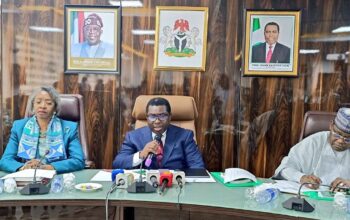
In response to the devastating flash floods that have ravaged Maiduguri, Borno State, various UN agencies have intensified their efforts to provide critical relief and support to affected populations, particularly women, children, and displaced families. The visit of the UN Nigeria Country Team to the region underscores the global body’s commitment to addressing the humanitarian crisis and mitigating the impact of the disaster on vulnerable communities.
UNICEF Nigeria Representative, Cristian Munduate, highlighted the agency’s immediate response, emphasizing the urgent need to support children and women who have borne the brunt of the disaster. UNICEF’s interventions, she explained, focus primarily on health-related needs, ensuring that pregnant women, lactating mothers, and children receive adequate nutrition and life-saving immunizations to prevent the spread of diseases. The agency has also started distributing essential Cholera and Malaria kits to help control the spread of these diseases, which often follow floods in regions with compromised sanitation.
“We are working around the clock to ensure that those most in need—especially children and women—have access to essential services, including health and nutrition,” Munduate stated, stressing that the floods have exacerbated pre-existing vulnerabilities among the local population.

Adding to the comprehensive UN response, the United Nations Development Programme (UNDP) is preparing to roll out an integrated package of social protection measures to support the flood-hit communities in rebuilding their lives. UNDP’s Resident Representative in Nigeria, Ms. Elsie Attafuah, shared insights into the agency’s planned interventions, which will include cash transfers to assist families in immediate need, as well as the rehabilitation of critical infrastructure damaged by the floods. The UNDP is also gearing up to provide livelihood support, aiming to restore the economic stability of affected communities and enable them to recover more quickly from the disaster.
“The scale of this disaster is immense, but so too is our resolve to help these communities recover and rebuild. Our interventions are designed not just to meet immediate needs but to provide sustainable support that will enable long-term recovery,” Attafuah remarked.

Meanwhile, the World Health Organization (WHO) has expressed concern about the heightened risk of disease outbreaks in the aftermath of the floods, particularly water-borne diseases such as Cholera and vector-borne diseases like Malaria. WHO Nigeria Country Representative, Dr. Walter Kazadi Mulombo, warned that the combination of stagnant water and overcrowded camps could lead to serious health crises if not addressed swiftly.
In response, WHO has reinforced its Early Warning System (EWS) in the region, allowing for the early detection of disease outbreaks and ensuring a rapid response to emerging health threats. “We are deeply concerned about the possibility of disease outbreaks following these floods, which have left many communities vulnerable. WHO is working closely with the Borno State Government to preposition essential health supplies and kits for Cholera and Malaria response,” Dr. Mulombo explained.
WHO has also deployed health teams to provide immediate medical assistance to those in displacement camps, while its “Hard-to-reach” teams have been activated to serve communities cut off by the floods. Personal protective equipment (PPE) and other medical supplies have been distributed to health workers on the frontlines, ensuring that they are adequately equipped to tackle any potential outbreaks.
The joint efforts by UNICEF, UNDP, WHO, and other agencies underscore the UN’s coordinated approach to humanitarian crises, focusing on immediate relief as well as long-term recovery for the communities in Maiduguri and surrounding areas. As the floods continue to displace families and disrupt lives, these agencies remain on the ground, working with local authorities to provide essential services and help stabilize the situation for the affected populations.
The disaster in Maiduguri is part of a broader challenge facing northeast Nigeria, a region already grappling with conflict and displacement due to insurgency. With climate change exacerbating the frequency and severity of natural disasters, the flood has further deepened the vulnerability of millions in the region. UN officials have called for urgent international support to ensure that adequate resources are available to sustain the ongoing relief efforts and build resilience against future disasters.