Over 73,000 individuals residing in Kebbi and Sokoto States have gained access to improved water supply thanks to the implementation of a comprehensive water, sanitation, and hygiene project. This initiative involved the construction of 19 new solar-powered boreholes and the restoration of 27 non-functional hand pump boreholes. The United States Agency for International Development (USAID) generously supported this endeavor, aiming to enhance the well-being of communities in the region.
A recent statement highlighted the positive impact of USAID’s involvement, emphasizing that the project not only improved water access but also focused on sanitation and hygiene in health centers, schools, and underserved areas. The two-year Integrated Water Sanitation and Hygiene Services (i-WASH) activity collaborated with state ministries, local government WASH units, rural water supply, and sanitation agencies, along with local communities to achieve its objectives.
As a result of this joint effort, seven schools, four health centers, and 46 rural communities experienced enhanced WASH services. Within schools and primary healthcare centers, 13 improved latrines and 17 handwashing facilities were made available to students and users, fostering better health and hygiene practices.
To ensure the sustainability and functionality of the water supply facilities, approximately 100 remote sensors were deployed in Kebbi and Sokoto States. These sensors enable remote monitoring of water pumps, contributing to increased transparency and accountability in WASH investments while minimizing downtime of the facilities.
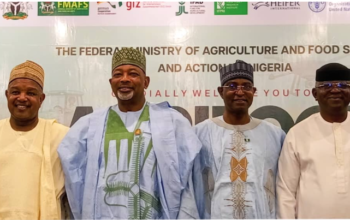
Latif-ur Rahman, the USAID/Nigeria WASH Team Lead, expressed his satisfaction with the successful completion of the i-WASH activity during an event in Abuja. He highlighted the collaboration with the Green Habitat Initiative, which introduced the new system of remote monitoring for water pumps, a significant step in improving the efficiency of WASH initiatives.
The i-WASH activity, funded with a budget of $2 million, played a vital role in supporting the Nigerian government’s endeavors to combat waterborne diseases and the associated socio-economic challenges. Additionally, it greatly contributes to Nigeria’s progress towards achieving the United Nations’ Sustainable Development Goals, particularly Goals 3 and 6, which aim to ensure good health and access to clean water and sanitation for all.