ActionAid Nigeria has emphasized the need for a coordinated, multi-sectoral approach to facilitate the smooth reintegration of returned migrants in the country.
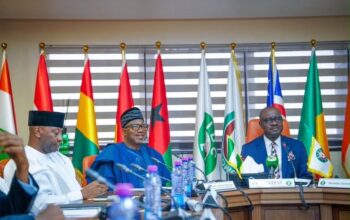
Speaking at the Community Forum on Sustainable Reintegration of Returned Migrants in Nigeria and the Project Inception Meeting for the ActionAid-GIZ RECONNECT Project in Abuja on Tuesday, the Country Director of ActionAid Nigeria, Andrew Mamedu, called on all stakeholders to identify existing barriers and collaborate on sustainable solutions.
“This forum serves as a critical platform for meaningful dialogue. I hope that as we engage in discussions today, we can begin to shape a more effective, inclusive, and sustainable approach to reintegration,” Mamedu stated.
He emphasized that sustainable reintegration is an ongoing process requiring continuous engagement, collaboration, and action. To support this, ActionAid Nigeria is launching this forum as a biannual event to serve as a “community of practice”—bringing together stakeholders from government agencies, civil society organizations, development partners, and returned migrants to share experiences and best practices.
Mamedu, represented by AAN Deputy Country Director, Hajia Suwaiba Dankabo, urged all stakeholders to critically evaluate their interventions:
“Are we truly meeting the needs of those we serve? Are our efforts making a lasting impact? Are we ensuring sustainability? Only through open, honest discussions—both within our organizations and across the broader community—can we drive meaningful progress.”
Challenges to Reintegration
Mamedu highlighted two major challenges hindering the seamless reintegration of returned migrants:
- The high volume of returnees, which strains existing reintegration mechanisms.
- Lack of community support, which undermines long-term stability for returnees.
He also raised concerns about individuals exploiting the system for personal gain, turning the status of being a returned migrant into a commodity. He warned that such practices erode the credibility of reintegration efforts and diminish the support available to genuine returnees.
“Without effective coordination, we lose valuable opportunities to share intelligence, resources, and best practices. We must move beyond fragmented efforts and prioritize true collaboration over competition,” he stated.
He called for a shared platform that goes beyond meetings and workshops to establish industry standards and maximize collective resources and expertise.
Government Commitment to Sustainable Reintegration
The Honourable Federal Commissioner of the National Commission for Refugees, Migrants, and Internally Displaced Persons (NCFRMI), Hon. Tijjani Ahmed, commended the ActionAid-GIZ RECONNECT Project, describing it as a timely and strategic initiative to support the sustainable reintegration and economic empowerment of vulnerable populations.
Represented by NCFRMI Director, Ambassador Kathrene Udida, Ahmed emphasized that reintegration is not just about returning home—it is about restoring dignity, securing livelihoods, and ensuring long-term community stability.
“Sustainable reintegration requires collaboration, innovation, and a people-centered approach. We commend ActionAid Nigeria and GIZ for their leadership in this transformative initiative,” he stated.
He urged government agencies, civil society, the private sector, and community representatives to work in synergy, ensuring that reintegration programs create economic opportunities, strengthen social cohesion, and leave no one behind.
With continued collaboration and a holistic approach, stakeholders remain optimistic that reintegration efforts will be more effective, inclusive, and impactful for returned migrants across Nigeria.