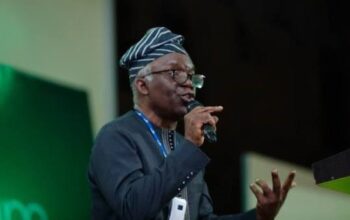
The Hope Alive Initiative has endorsed the Federal Government’s decision to settle approximately N3 trillion owed to electricity companies, describing the move as a bold and potentially transformative step toward revitalising Nigeria’s struggling power sector.
In a statement issued on Friday, the civil society organisation said the approval by President Bola Tinubu signals a decisive policy shift aimed at addressing longstanding financial constraints undermining electricity supply and economic productivity.
Nigeria’s power sector has for decades been plagued by mounting debt, liquidity shortfalls, and operational inefficiencies, resulting in poor service delivery, weakened investor confidence, and stalled infrastructure development. Industry stakeholders have consistently warned that without urgent financial intervention, the sector risked further decline.
The group noted that the government’s decision could mark a critical turning point.
“This is not just a financial decision; it is a strategic reset for an industry that sits at the heart of national development,” the statement read.
According to the organisation, clearing the outstanding debts owed to generation and distribution companies would ease liquidity pressures across the electricity value chain, enable operators to meet their financial obligations, and restore confidence among domestic and international investors.
Analysts say the intervention could unlock fresh capital inflows into the sector, which has long been viewed as high-risk due to regulatory uncertainties and persistent payment deficits. Improved cash flow, they argue, would support infrastructure upgrades, capacity expansion, and enhanced service reliability.
The group stressed that stable electricity supply remains essential for Nigeria’s industrial growth, noting that businesses continue to incur high costs from reliance on alternative energy sources, thereby reducing competitiveness.
“With this intervention, the government has removed a major structural bottleneck. The next phase must focus on translating financial stability into tangible improvements in power supply,” it added.
It also described the decision as a strong signal of reform commitment, urging stakeholders to view it as evidence of the administration’s readiness to tackle deep-rooted challenges in the energy sector.
The organisation further observed that a financially viable electricity market could accelerate partnerships, foster innovation, and drive the modernisation of ageing infrastructure nationwide.
However, it cautioned that the success of the initiative would depend on accountability and performance by electricity companies, calling on operators to improve efficiency, reduce losses, and deliver measurable service improvements.
While Nigerians continue to grapple with erratic electricity supply, the group expressed cautious optimism that the debt settlement could lay the foundation for a more stable and sustainable power sector capable of driving economic growth and improving living standards.
As implementation progresses, attention will focus on whether the unprecedented financial commitment can break the cycle of underperformance that has long characterised Nigeria’s electricity industry.