The National Human Rights Commission (NHRC) has raised alarm over a worsening human rights situation in Nigeria, revealing that it received 659,617 complaints and documented 992 killings in the first quarter of 2026 amid rising insecurity, discrimination, and abuse nationwide.
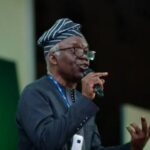
Presenting the January–March Human Rights Situation Dashboard in Abuja, the Commission’s Senior Adviser, Hilary Ogbona, said the figures reflect both a surge in violations and improved reporting mechanisms. He warned that the trends underscore deepening governance, security, and social protection challenges.
According to Ogbona, complaints rose steadily over the three months, with 180,341 cases recorded in January, 223,144 in February, and 256,132 in March. He noted that the most prevalent category remained violations related to freedom from discrimination, followed by allegations of law enforcement misconduct and breaches of human dignity.
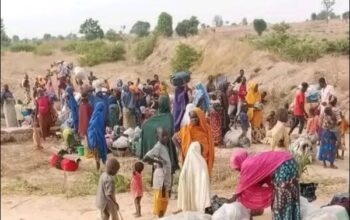
Beyond formal petitions, the NHRC’s Human Rights Observatory documented widespread insecurity-related abuses, including killings, abductions, communal clashes, and sexual and gender-based violence across several states.
The report identified February as the deadliest month of the quarter, driven largely by insurgency, banditry, communal violence, and mob actions. The North-Central zone recorded the highest number of complaints, followed by the North-West and North-East, with the Federal Capital Territory, Benue, Niger, Plateau, and Kaduna among the most affected areas.
Ogbona also highlighted a growing protection crisis affecting vulnerable groups, particularly women and children. He pointed to an upsurge in gender-based violence, alongside persistent child rights violations such as abandonment, exploitation, and domestic abuse.
The Commission attributed a significant proportion of the 992 recorded killings to bandit groups, Boko Haram insurgents, and unidentified gunmen, while others resulted from communal clashes, cult-related violence, and mob justice. It added that 197 deaths from road and boat accidents were recorded separately from the security-related fatalities.
Stakeholders at the presentation commended the NHRC’s dashboard initiative for enhancing transparency and accountability. A representative of the Police Service Commission, Dada, described the platform as a critical tool for monitoring police conduct and enforcing discipline within the Nigeria Police Force, noting that its findings increasingly inform disciplinary actions.

Similarly, a representative of the Legal Aid Council of Nigeria, Bamidele, said the dashboard exposes systemic weaknesses in the justice system, particularly delays in investigations and trials, which contribute to widening justice gaps.
The NHRC Executive Secretary, Tony Ojukwu, disclosed that the dashboard has gained international recognition, including presentations at the United Nations in Geneva, where it has been acknowledged as an innovative model for human rights monitoring.
Ojukwu added that efforts are underway to sustain the initiative beyond donor funding, describing it as a permanent instrument for accountability, transparency, and policy formulation.
The Commission stressed that the Q1 figures highlight urgent national challenges requiring coordinated responses across all tiers of government. It called for strengthened institutional accountability, improved security interventions, and enhanced collaboration with civil society, development partners, and the media to curb violations and rebuild public confidence in governance and the justice system.