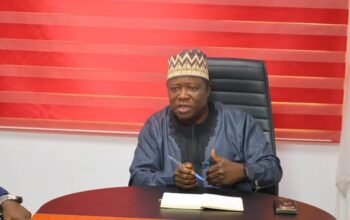
The United Nations Resident and Humanitarian Coordinator in Nigeria, Mohammed Fall, has condemned the effects of climate change on Nigeria and Sub-Saharan Africa, calling it not just an environmental injustice but a moral failure.
Speaking at the Regional Africa Human Rights Academic Network Conference in Abuja, organized by the Raoul Wallenberg Institute and the University of Nigeria’s Faculty of Law, Fall emphasized that climate change is a human rights emergency.
“The climate crisis disproportionately impacts the most vulnerable—women, the elderly, youth, and persons with disabilities. Those who contribute the least to climate change bear its worst consequences. This is not just unfair; it is a betrayal of future generations,” Fall said.
He highlighted the severe consequences of climate change in Nigeria, including desertification in the north, rising sea levels in the south, erratic weather patterns, and devastating floods that displace thousands annually. If left unaddressed, these challenges could escalate conflicts, increase displacement, and strain governance and security.
Fall also noted that the UN General Assembly’s 2022 resolution affirming the right to a clean and sustainable environment underscores the urgency of climate action. He urged Nigeria to integrate climate justice into its legal and policy frameworks, aligning with its human rights obligations.
Echoing these concerns, the Executive Secretary of the National Human Rights Commission, Dr. Tony Ojukwu, stressed that climate change is not just an environmental issue but a direct threat to human rights. He called for urgent action to protect the most affected communities, stating that Africa, despite contributing the least to global carbon emissions, bears a disproportionate burden of climate change’s devastating effects.
The UN pledged continued support for Nigeria through the UN Sustainable Development Cooperation Framework, focusing on climate action, environmental justice, and sustainable development.